
2026 Best Bulk Transport Companies for Global Buyers
Choosing a reliable Bulk Transport company in 2026 requires more than comparing freight rates. Global buyers need dependable capacity, transparent pricing, cargo protection, and responsive communication. A low quote can become expensive when trucks arrive late, loading equipment fails, or documents contain errors.
Martin Stopford, a respected maritime economist, describes shipping as “a derived demand industry.” His observation remains useful for bulk buyers. Transport demand follows production, construction, agriculture, energy, and seasonal trade. A strong provider should understand these patterns, not merely move freight from one port to another.
This guide examines leading Bulk Transport companies for international buyers. It considers fleet condition, port coverage, handling systems, tracking technology, safety records, and service flexibility. It also looks at practical details, such as covered storage, moisture control, weighbridge accuracy, and unloading time. Small failures matter. A damp shipment, a missed vessel connection, or unclear detention fees can disrupt an entire supply chain.
The rankings should not be treated as permanent. Market conditions change quickly. Fuel costs rise, ports become congested, and regional capacity can disappear. That is the uncomfortable part.
Some buyers may still choose a provider based mainly on price. That decision can work, but only when service risks are measured honestly. Reliable companies explain their limits, document performance, and offer realistic delivery windows. They also respect applicable international trade, safety, environmental, and customs requirements. For global buyers, trust is not a slogan. It is visible in every handover, inspection, update, and invoice.
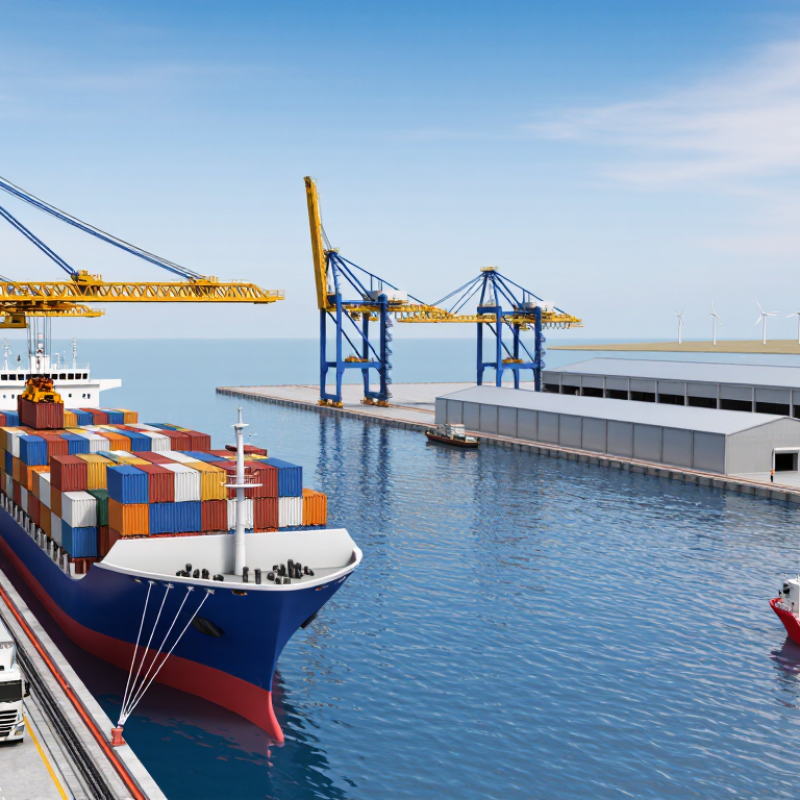
What Bulk Transport Companies Do in Global Supply Chains
2026 Best Bulk Transport Companies for Global Buyers
What Bulk Transport Companies Do in Global Supply Chains
Bulk transport companies move large volumes of unpackaged materials between producers, ports, warehouses, and industrial facilities. Their work may involve grain, cement, minerals, or compliant liquid goods. Each shipment needs suitable equipment, approved routes, and careful handling.
Operations often begin with cargo planning. Teams check volume, density, moisture, temperature, and loading requirements. They reserve vessels, railcars, tankers, or specialized trucks. At the loading site, workers inspect compartments, weigh cargo, and verify seals. Small errors can create large delays.
Timing matters greatly. A missed loading window can increase storage costs or cause port congestion. Transport teams track weather, road conditions, customs documents, and delivery appointments. They also coordinate with terminal operators and warehouse staff. Clear records support traceability and help buyers investigate damage or shortages.
Reliability is practical, not decorative. Experienced providers measure arrival accuracy, cargo loss, equipment cleanliness, and incident rates. They should explain risks before accepting an order. A low quote may exclude waiting time, cleaning, insurance, or inland transfers. That deserves a closer look.
No plan survives every disruption. A storm, labor shortage, or damaged valve can change the schedule quickly. Strong operators communicate early and offer realistic alternatives. Even so, some forecasts remain imperfect. Buyers should review performance data, contingency procedures, and service limits before choosing a long-term transport partner.
2026 Best Bulk Transport Companies for Global Buyers - What Bulk Transport Companies Do in Global Supply Chains
| Bulk Transport Service Profile | Typical Cargo | Primary Transport Mode | Common Equipment | Typical Shipment Capacity | Main Supply-Chain Role | Standard Documentation | Common Buyer KPI |
|---|---|---|---|---|---|---|---|
| Dry Commodity Ocean Transport | Grain, coal, iron ore, fertilizer, minerals | Ocean bulk shipping | Bulk carriers, self-unloading vessels, port conveyors | Typically 10,000–200,000+ metric tons per voyage | Moves large volumes between export terminals, ports, and industrial users | Bill of lading, commercial invoice, packing or weight certificate, certificate of origin, cargo declaration | Freight cost per ton, vessel utilization, port turnaround time, cargo loss |
| Liquid Bulk Chemical Logistics | Base oils, solvents, acids, industrial chemicals | Tank container, tanker truck, and chemical tanker | ISO tanks, stainless-steel tankers, heated tanks, terminal storage tanks | Usually 20–26 metric tons per ISO tank or road tanker | Provides safe, sealed transport and controlled transfer between production sites and buyers | Safety data sheet, dangerous-goods declaration, bill of lading, certificate of analysis, customs documents | Zero-spill performance, temperature compliance, on-time delivery, tank cleanliness |
| Food-Grade Liquid Bulk Transport | Edible oils, syrups, liquid sweeteners, dairy ingredients | Food-grade tank container and tanker truck | Insulated stainless-steel tanks, heating systems, sanitary pumps | Approximately 20–26 metric tons per tank, depending on density and regulations | Protects product quality from loading through delivery and supports hygienic unloading | Food-grade cleaning certificate, certificate of analysis, health certificate, bill of lading, temperature record | Cleanliness pass rate, temperature stability, delivery accuracy, contamination incidents |
| Dry Bulk Pneumatic Delivery | Cement, flour, lime, resin pellets, powdered minerals | Pneumatic bulk truck and silo transfer | Pressure-discharge trailers, blowers, silos, enclosed transfer lines | Normally 20–30 metric tons per road trailer | Delivers dust-controlled material directly into receiving silos and production systems | Delivery note, weight ticket, certificate of analysis, safety data sheet, cleaning record | Discharge time, weight variance, dust emissions, equipment availability |
| Agricultural Bulk Haulage | Wheat, corn, rice, soybeans, animal feed | Bulk truck, rail, barge, and ocean vessel | Tipper trailers, covered hopper cars, barges, grain elevators | About 25–40 metric tons by truck; substantially higher by rail, barge, or vessel | Connects farms, storage terminals, processors, feed mills, and export markets | Phytosanitary certificate, fumigation record, weight certificate, certificate of origin, bill of lading | Moisture level, foreign-material rate, cargo loss, transit time, rejection rate |
| Intermodal Bulk Distribution | Pallet-free powders, granules, pellets, agricultural inputs | Ocean, rail, truck, and short-sea combinations | Bulk containers, silo containers, chassis, rail wagons, transfer stations | Typically 20–28 metric tons per container, subject to route limits | Reduces handling by combining transport modes under one coordinated movement plan | Through bill of lading, customs entry, weight certificate, cargo insurance record, delivery order | End-to-end transit time, container dwell time, transfer damage, visibility coverage |
| Temperature-Controlled Bulk Transport | Molasses, chocolate, fats, specialty oils, temperature-sensitive liquids | Heated or insulated tanker and tank container | Insulated tanks, steam or electric heating, temperature sensors, sanitary pumps | Generally 20–26 metric tons per tank | Maintains viscosity, flow characteristics, and product stability during transit and unloading | Temperature log, cleaning certificate, certificate of analysis, bill of lading, delivery receipt | Temperature excursion rate, heating time, pump-out time, product specification compliance |
| Hazardous Bulk Transport | Flammable liquids, corrosive materials, toxic substances, regulated gases | Certified road tanker, rail tank car, tank container, and chemical vessel | Approved tanks, emergency shut-off systems, grounding equipment, tracking devices | Usually 20–30 metric tons by road or tank container, subject to product limits | Manages regulated cargo with route planning, risk controls, trained personnel, and emergency procedures | Dangerous-goods declaration, safety data sheet, transport emergency information, bill of lading, customs records | Incident-free shipments, regulatory compliance, seal integrity, on-time delivery, emissions performance |
Related Posts
-
Top Railway Freight Solutions in China for Global Buyers?
-
How to Optimize Bulk Transport for Efficiency and Cost Savings?
-
What is Railway Freight and How Does it Impact Transportation?
-

The Best 5 High Speed Goods Train Innovations You Should Know?
-
China Best Groupage Transport Solutions for Efficient Logistics Services?
-

Top 10 Managed Inventory Solutions for Global Buyers?