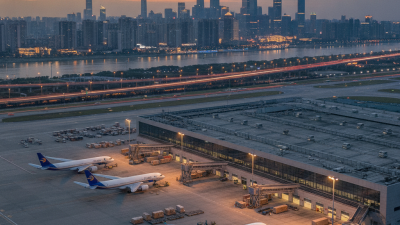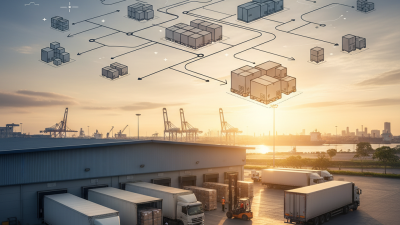
Airfreight Logistics is the organized movement of goods by aircraft, from a supplier’s warehouse to the final customer. It combines planning, documentation, airport handling, and delivery coordination. Unlike ordinary air travel, commercial cargo follows a structured chain of custody. Each shipment usually begins with a booking that confirms weight, dimensions, origin, destination, and service requirements. A freight forwarder may collect the cargo, prepare the air waybill, and arrange transport to the airport. Accuracy matters here. One incorrect measurement can change the shipping price or aircraft space requirement.
At the cargo terminal, trained teams inspect, label, weigh, and build shipments into secure pallets or Unit Load Devices. The cargo then passes through required screening and customs procedures before loading. After departure, tracking updates may show acceptance, departure, arrival, and delivery milestones. These steps help logistics teams respond when plans change. Weather, airport congestion, equipment limits, and incomplete information can still create delays. Airfreight is fast, but it is not automatically the best choice for every shipment. It often costs more than ocean or road transport, especially for heavy goods. That trade-off deserves careful review. In practice, reliable Airfreight Logistics depends on clear communication, experienced partners, accurate data, and realistic delivery expectations. Even advanced tracking cannot replace human judgment. Mistakes happen. The real measure of performance is how responsibly the team identifies and corrects them.
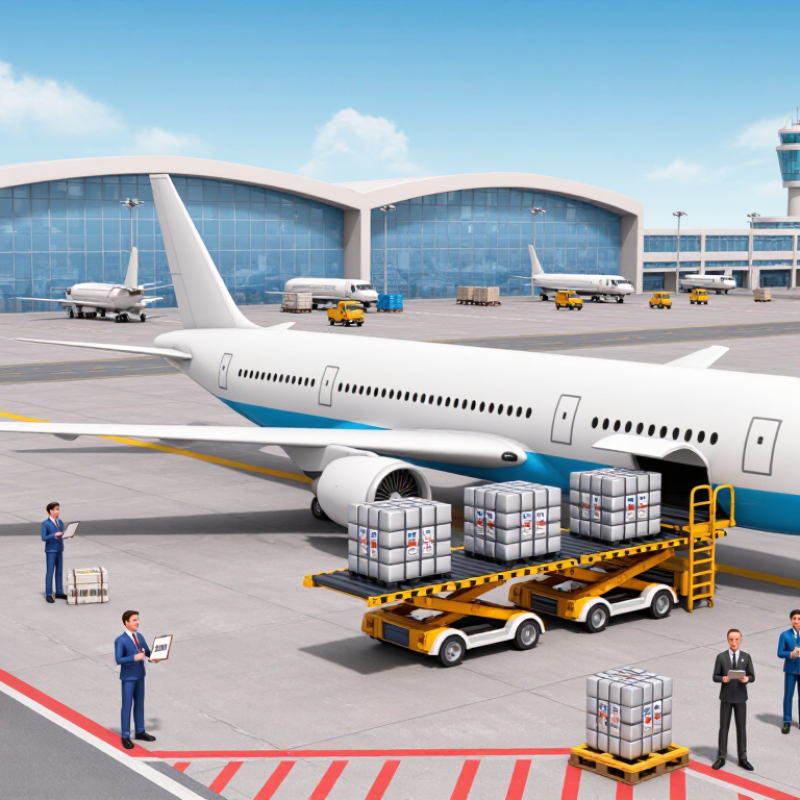
Airfreight logistics moves goods by aircraft through a coordinated chain of booking, pickup, handling, customs clearance, and delivery. It matters because many products lose value while waiting, including medicines, fresh food, electronics, and urgent spare parts. According to the International Air Transport Association’s 2024 air cargo data, global cargo demand increased 11.3% from the previous year. That growth reflects a practical need for speed, reliability, and wider market access.
A typical shipment begins when a forwarder checks cargo dimensions, weight, packaging, and delivery requirements. The cargo then travels by truck to an airport facility, where teams inspect documents, build pallets, and transfer freight to an aircraft. After landing, handlers unload it, customs authorities review the shipment, and another truck completes final delivery. The World Bank’s Logistics Performance Index 2023 shows that tracking, timeliness, and customs efficiency strongly influence supply-chain performance. Airfreight supports all three, but not perfectly.
Speed has limits.
Air transport costs more than sea or road shipping, and airport congestion can create delays. The IATA 2024 report also recorded capacity growth of 7.4%, showing that available space is expanding, though demand may still change quickly. In my experience, the best results come from accurate paperwork, realistic delivery promises, and packaging designed for repeated handling. A rushed booking can erase the advantage of fast transport. That uncomfortable detail deserves more attention.
Global air cargo demand growth, measured by freight tonne-kilometres (2019–2024)
Airfreight logistics moves goods through coordinated steps including pickup, export handling, airport screening, air transport, customs clearance, and final delivery. Freight tonne-kilometres combine cargo weight with the distance flown, making this measure useful for tracking changes in worldwide air cargo activity. The figures show annual demand growth reported by IATA.
Source: International Air Transport Association (IATA), annual air cargo market analysis. Values represent year-over-year change in global cargo tonne-kilometres.
Airfreight suits goods that need speed, careful handling, or reliable international delivery. Common examples include medical supplies, fresh seafood, flowers, fashion samples, electronics, and urgent machine parts. These shipments are often valuable, lightweight, or sensitive to delay. A small box of replacement components may prevent several days of factory downtime.
Perishable goods need suitable packaging and controlled temperatures. Insulated containers, gel packs, and clear handling instructions can protect products during transfers. Electronics need cushioning, moisture protection, and accurate weight details. High-value items usually require strong outer packaging, shipment tracking, and appropriate insurance. The cargo must also have complete invoices, packing lists, and customs information. Missing details can delay a shipment, even when the aircraft departs on time.
Airfreight is not automatically the best choice. Heavy furniture, low-value bulk materials, and non-urgent cargo often cost less by sea, rail, or road. I have found that urgency is sometimes overstated. A careful comparison should include freight charges, fuel adjustments, customs fees, packaging, and possible storage costs. Delivery time also depends on airport transfers and clearance, not only flight duration. Goods with unusual dimensions may need special approval and handling. Always confirm current carrier and customs requirements before booking, because rules and acceptance conditions can change.
| Goods Category | Why It Suits Airfreight | Typical Shipment Profile | Important Handling Requirements | Suitability |
|---|---|---|---|---|
| Urgent documents and small parcels | The high speed of air transport helps meet urgent delivery deadlines and supports time-sensitive business activities. | Low weight, compact dimensions, high delivery urgency | Secure packaging, accurate consignee details, customs documentation | Excellent |
| High-value electronics | Shorter transit times can reduce exposure to handling, theft, weather, and extended storage risks compared with slower transport modes. | High value-to-weight ratio, moderate or small shipment volume | Shock protection, moisture control, serial-number records, applicable battery rules | Excellent |
| Pharmaceuticals and medical supplies | Many medicines, vaccines, diagnostic materials, and medical devices require fast and controlled distribution. | Time-critical, temperature-sensitive, regulated cargo | Validated temperature packaging, monitoring devices, regulatory records, security controls | Excellent when compliant |
| Perishable food and fresh produce | Fast delivery can help preserve freshness and reduce spoilage for products with a short shelf life. | Short shelf life, seasonal availability, moderate shipment size | Appropriate temperature range, ventilated or insulated packaging, sanitary documentation | Very good |
| Fashion products and seasonal merchandise | Airfreight supports rapid replenishment and helps businesses respond to short selling seasons or changing demand. | Medium value-to-weight ratio, demand-sensitive, deadline-driven | Damage-resistant cartons, accurate product classification, import documentation | Good |
| Automotive and industrial spare parts | Fast shipment can minimize production downtime when a required replacement part is unavailable locally. | Urgent orders, irregular dimensions, moderate to high value | Strong packaging, dimensional checks, classification of oils, batteries, or other regulated components | Good for urgent parts |
| Live animals and biological materials | Shorter journeys can reduce transit stress and help maintain biological viability when air transport is permitted. | Highly time-sensitive, specialized, documentation-heavy | Approved containers, welfare procedures, permits, veterinary or biosafety documentation | Conditional |
| Dangerous goods | Some regulated materials can be transported by air when the shipment meets applicable aviation safety requirements. | Classification-dependent, documentation-intensive, often time-sensitive | Correct classification, approved packaging, labels, declarations, quantity limits, carrier acceptance | Conditional |
| Bulk construction materials | Airfreight usually provides limited economic value for dense, heavy, and non-urgent cargo. | High weight or volume, low urgency, low value-to-weight ratio | Cost comparison with ocean, rail, or road transport; palletization and weight limits | Generally unsuitable |
| Large-volume low-value commodities | The higher cost per unit of air capacity often outweighs the speed advantage when goods are plentiful and not time-sensitive. | Heavy, bulky, non-perishable, predictable demand | Evaluate total landed cost, dimensional weight, inventory requirements, and alternative modes | Generally unsuitable |
Airfreight Logistics: How Does the Airfreight Shipping Process Work?
Airfreight shipping starts with a booking that states the cargo’s weight, dimensions, origin, destination, and delivery deadline. The carrier then checks available space and confirms the flight route. At the airport, trained staff inspect the shipment, verify documents, and complete security screening. Export customs clearance must be completed before cargo enters the aircraft handling area. According to IATA’s 2024 industry report, global air cargo demand rose 11.3%, while capacity increased 7.4%. This growth makes accurate planning more important.
After acceptance, workers measure and weigh each piece again. Small errors matter. Cargo is grouped into containers or secured pallets, known as unit load devices. It then moves through airport handling, customs control, and aircraft loading. At the destination, ground teams unload it, check the paperwork, and arrange import clearance. A customs broker or local delivery partner may then move the shipment to its final address. The process appears orderly on paper, but delays can begin with one incorrect dimension or missing invoice.
Tips: Use consistent product descriptions and measure packed cargo, not empty cartons. Keep commercial invoices, packing lists, and certificates ready before pickup. Ask for milestone updates at acceptance, departure, arrival, and customs release. IATA reports that air cargo carries about 35% of global trade by value, so traceability deserves serious attention. Still, faster shipping is not always better; rushed preparation can create avoidable costs.
Airfreight logistics depends on accurate documents and strict regulatory checks. The air waybill identifies the shipper, consignee, routing, and cargo details. A commercial invoice shows value, currency, origin, and sales terms. Customs authorities usually compare these details with the packing list and export declaration.
Import requirements vary by destination. They may include a certificate of origin, permits, tax records, or product-specific declarations. International air transport follows ICAO technical standards, while IATA guidance supports safe handling and documentation practices. The World Customs Organization’s SAFE Framework also encourages advance data and risk-based inspections. According to IATA’s 2024 Air Cargo Market Analysis, global air cargo demand grew 11.3% in 2024, increasing pressure on documentation teams. Small errors can delay a shipment.
Tips: Check names, weights, quantities, and addresses twice. Use one product description across every document. Ask customs specialists about local requirements before pickup. Keep digital and paper records. Clear evidence matters.
Special cargo requires additional controls. For regulated materials, the shipper may need a declaration, classification details, packaging instructions, and trained personnel. Requirements can change when cargo crosses borders, even with the same product. This is where experience helps, although human review is not perfect. A rushed description or missing signature can trigger inspection, storage fees, or return. Reliable operators build a document checklist for each route and update it when authorities revise rules.
Airfreight logistics moves cargo between airports through booking, documentation, handling, flight connections, and delivery. A shipment may leave a warehouse in the morning and reach an airport terminal that evening. However, airport-to-airport speed does not always mean door-to-door speed.
Weight is only part of the cost. Carriers often charge by actual weight or dimensional weight, whichever is higher. A large carton containing lightweight products can therefore become expensive. Fuel surcharges, airport handling fees, customs processing, security checks, and remote-area delivery also affect the final invoice.
Poor packaging may increase costs when staff must repack or inspect the shipment. Small details matter.
Delivery time depends on flight availability, connection points, cargo cut-off times, and clearance procedures. Weather, airport congestion, and missing commercial documents can create unexpected delays. A quoted 48-hour transit time may exclude pickup, customs, and final delivery. That distinction is easy to miss.
In practical shipment planning, accurate dimensions and complete paperwork often matter more than promised flight speed. Even experienced logistics teams can misjudge seasonal congestion. Building a modest time buffer is usually wiser than trusting the shortest estimate.