Top Benefits of Hydrogen Freight Train Technology for Sustainable Transport?
The transportation industry faces critical challenges. Emissions from freight transport contribute significantly to climate change. A transformative shift is necessary. Hydrogen Freight Train technology emerges as a promising solution.
Dr. Emily Carter, a leading expert on sustainable transportation, highlights its potential: “Hydrogen Freight Trains can reduce our carbon footprint dramatically.” This innovation offers cleaner, more efficient transport. Hydrogen, as a fuel source, creates only water vapor when burned. This could reshape how goods move across countries.
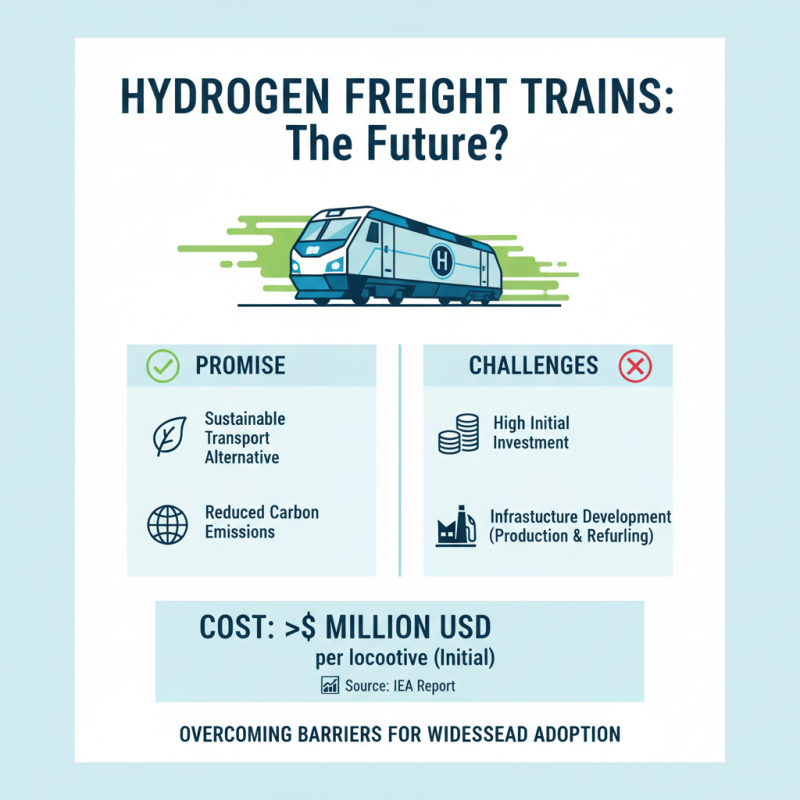
However, challenges remain. Infrastructure for Hydrogen Freight Trains is underdeveloped. Investment and commitment are crucial. Companies must reconsider logistics deeply. As the industry evolves, exploring these issues is essential. Embracing Hydrogen Freight Trains could lead us toward a more sustainable future in transport.
Overview of Hydrogen Freight Train Technology
Hydrogen freight train technology is an exciting development in the realm of sustainable transport. Utilizing hydrogen as fuel offers a cleaner alternative to traditional diesel engines. These trains produce only water vapor as a byproduct. This means reduced greenhouse gas emissions, contributing to a healthier environment.
Investing in hydrogen technology can also reduce operational costs in the long run. Hydrogen fuel cells have the potential to increase efficiency. However, challenges remain in scaling up production and infrastructure. Hydrogen must be sourced sustainably to maximize benefits.
Tips: Consider local resources for hydrogen production. Engage with communities to support infrastructure development. Collaboration will enhance the transition to hydrogen-powered freight transport. As this technology matures, ongoing evaluation and adaptation are crucial. Embracing new ideas while learning from each phase can help refine the process.
Environmental Benefits of Hydrogen-Powered Trains
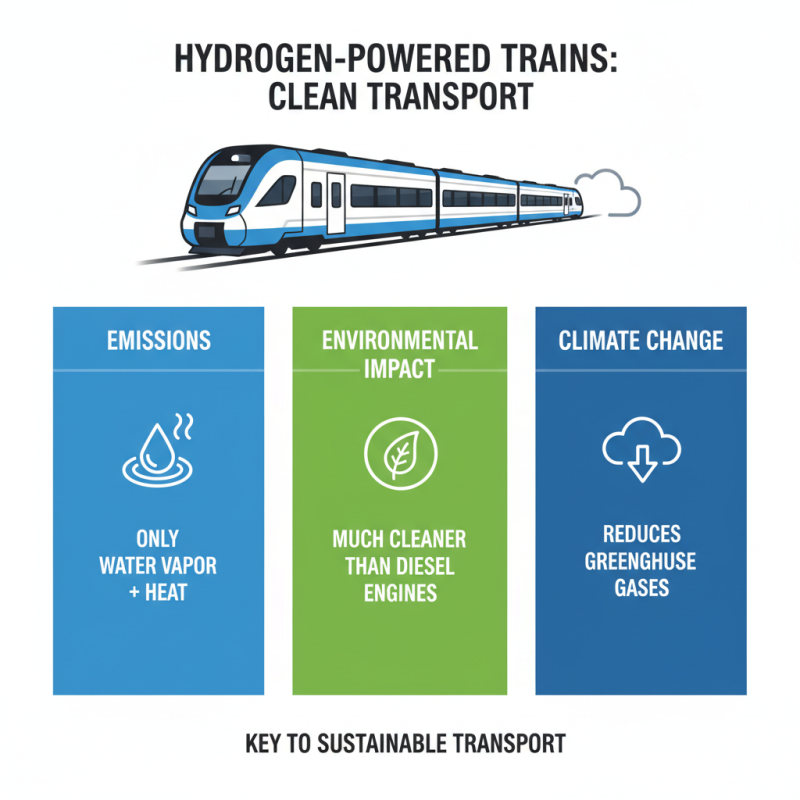
Hydrogen-powered trains bring significant environmental benefits that can contribute to sustainable transport. These trains emit only water vapor and heat, making them much cleaner than diesel engines. They can play a pivotal role in reducing greenhouse gas emissions from the transport sector, which is a major contributor to climate change.
The use of hydrogen as fuel also means trains can operate quietly. This helps to reduce noise pollution in urban areas. Unlike traditional freight trains, which can be loud, hydrogen trains operate with minimal sound, making them more acceptable to communities near railways. They can also be powered by renewable energy sources, enhancing their sustainability.
Tips: Consider how local infrastructure can support hydrogen technology. Look into investment opportunities in green hydrogen production. Communities should promote awareness about the benefits of hydrogen transport to boost public interest and support. Transitioning to hydrogen-powered trains requires addressing technical challenges, but the potential rewards are substantial. Embracing this technology could transform freight transport for a greener future.
Economic Advantages of Implementing Hydrogen Freight Trains
Hydrogen freight trains are revolutionizing the transport sector. They offer significant economic benefits for businesses and communities. These trains use hydrogen fuel cells, which are cleaner than traditional diesel engines. This means lower pollution levels in cities and reduced health risks for residents.
Investing in hydrogen technology can be cost-effective in the long run. While the initial setup costs may be high, operational expenses tend to decrease. Hydrogen trains can often reduce fuel costs as they rely on sustainable energy sources. Moreover, maintenance might be lower compared to diesel engines. However, challenges remain. The infrastructure for hydrogen refueling is still developing. Some regions may lack the necessary facilities.
Hydrogen freight trains also present a large-scale opportunity for job creation. They require skilled workers for assembly, maintenance, and operation. This can boost local economies. Yet, training programs must evolve to meet this demand. Communities need to invest in education and resources. Overall, hydrogen trains hold promise, but implementation must be methodical to address existing hurdles.
Top Benefits of Hydrogen Freight Train Technology for Sustainable Transport
| Benefit |
Description |
Economic Advantage |
| Reduced Operational Costs |
Hydrogen trains can significantly lower fuel costs compared to diesel. |
Savings on fuel can lead to lower freight rates. |
| Decreased Carbon Emissions |
Hydrogen trains produce zero emissions during operation, improving sustainability. |
Potential tax incentives for reduced carbon footprint. |
| Increased Freight Capacity |
Hydrogen trains can haul heavier loads over longer distances. |
Higher capacity can attract more business, leading to greater revenues. |
| Lower Maintenance Costs |
Fewer moving parts in hydrogen fuel cells mean lower upkeep expenses. |
Reduced maintenance leads to diminished downtime and greater operational efficiency. |
| Government Funding Opportunities |
Governments are increasingly supporting hydrogen projects with grants and subsidies. |
Access to funding can offset initial investment costs significantly. |
Technical Innovations in Hydrogen Train Design and Efficiency
Hydrogen freight train technology represents a significant leap in sustainable transport. The design focuses on efficiency and reduced carbon emissions. These trains utilize hydrogen fuel cells, providing a clean power source. They emit only water vapor, making them environmentally friendly.
Efficiency in hydrogen trains is achieved through advanced aerodynamics. The streamlined design reduces drag while traveling at high speeds. Regenerative braking systems also play a vital role, capturing energy during stops. This way, energy loss is minimized, promoting overall efficiency.
Tips: Consider the impact of weight on performance. Lighter trains can travel faster and consume less energy. Additionally, focus on recharging strategies. Regular refueling must align with operational schedules. Maintenance is crucial; it prevents breakdowns and optimizes efficiency. Reflecting on these aspects can enhance operational success.