In the ever-evolving world of logistics, choosing the right “Groupage Transport” solution can be challenging. Experts emphasize the need for careful consideration. John Mitchell, a renowned logistics consultant, remarked, “The right groupage transport solution can save time and reduce costs significantly.”
Groupage transport is about sharing space in transport vehicles. It benefits small and medium-sized businesses by making shipping affordable. However, not every provider meets the same standards. Some can lead to delays and unexpected expenses. Companies must assess their unique needs before making a decision.
Understanding the nuances of groupage transport can prevent costly mistakes. Additionally, communication with providers can reveal hidden aspects of their services. It is essential to ask the right questions and focus on reliability. The right choice can enhance supply chain efficiency, while the wrong one may create unforeseen hurdles.

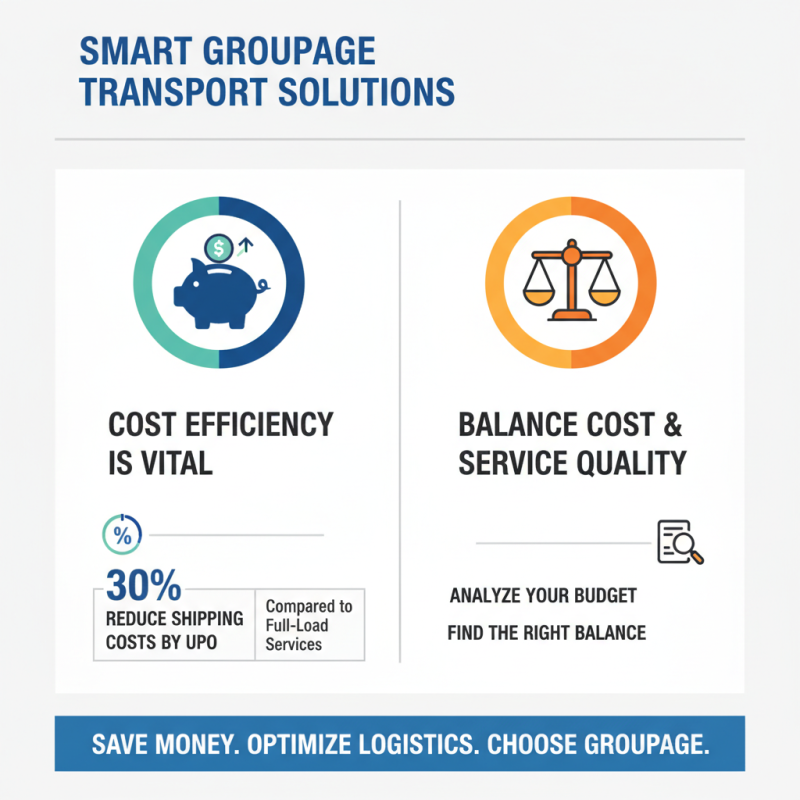
When selecting groupage transport solutions, various factors must be considered. Cost efficiency is vital, as transport expenses can significantly affect your bottom line. According to recent industry reports, groupage transport can reduce shipping costs by up to 30% compared to full-load services. It's essential to analyze your budget and find the right balance between cost and service quality.
Transit time is another critical aspect. While groupage transport is often cost-effective, it may lead to longer delivery times. Research indicates that groupage shipments can add 24 to 72 hours to transit times. Families of common mistakes include underestimating delivery windows. Be honest about your timing needs.
You should also think about cargo type and handling requirements. Some freight may need special handling, influencing your choice. Not all groupage services handle delicate items well, which could lead to damage. Companies often overlook this, resulting in unresolved disputes. Look for transport solutions that cater to your specific needs. Finally, consider the provider's reputation and customer service history. Efficient communication can prevent many issues, so reflect on how they’ve managed past shipments and unpredicted challenges.
Groupage transport services are gaining popularity among businesses seeking cost-effective logistics solutions. These services combine multiple shipments into one. This method reduces costs while maximizing cargo space. It’s perfect for small to medium-sized businesses with limited shipment volumes.
There are various types of groupage transport services in the market. The most common include palletized cargo, which consolidates goods on pallets. Less-than-truckload (LTL) shipping is another option. It allows businesses to share transport space, optimizing resources. Dry freight options cater to non-perishable items, while refrigerated groupage transport handles temperature-sensitive goods. Each type has its own considerations and challenges.
When choosing a service, it’s vital to evaluate specific needs. Not every solution suits every business. Reflect on volume, freight type, and delivery speed. Engaging with multiple providers can help identify the best fit. However, it's essential to be aware of potential delays during peak seasons, which can impact the supply chain. This reality calls for optimal planning and sometimes, a rethink of chosen approaches.
| Transport Type | Description | Advantages | Disadvantages |
|---|---|---|---|
| Road Freight | Transporting goods via trucks on roads. | Flexible routes and schedules, door-to-door service. | Traffic delays, road conditions can affect delivery. |
| Sea Freight | Transporting goods via ships across oceans and seas. | Cost-effective for large volumes, suitable for bulky goods. | Longer transit times, weather-dependent delays. |
| Air Freight | Transporting goods via aircraft for quicker delivery. | Fast delivery, ideal for time-sensitive shipments. | Higher cost, limited cargo capacity. |
| Rail Freight | Transporting goods via trains over land. | Efficient for large quantities, environmentally friendly. | Limited locations, requires additional transport to final destination. |
| Intermodal Freight | Combines multiple modes of transport for delivery. | Flexibility, efficient use of different transport modes. | Complex logistics, potential for higher costs. |
When evaluating the cost-effectiveness of groupage transport options, several factors come into play. The cost savings can be significant, sometimes ranging between 20% to 40% as compared to full truckload options, according to recent industry reports. Groupage transport allows multiple shipments to share a single container. This maximizes space and reduces costs for all parties involved.
Tips: Analyze the delivery times. Faster may not always mean better value. Look for hidden costs, like surcharges or additional fees. Being aware of these will help in making informed decisions.
Another aspect to consider is reliability. Groupage transport can sometimes lead to delays as multiple shipments must be consolidated. On average, such delays can range from 1 to 3 days. Adjust your planning based on this potential lag.
Tips: Research the service history of providers. Reviews can be insightful. Don’t shy away from asking for references from past clients. Being proactive can save money and time.
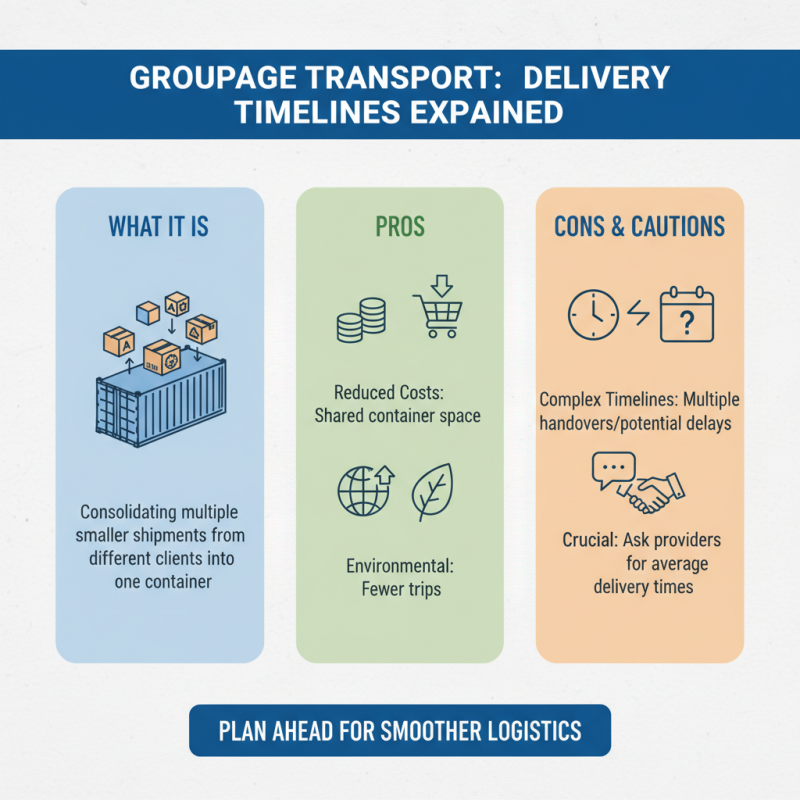
Understanding delivery timelines in groupage transport is crucial for businesses. Groupage transport involves consolidating shipments from different clients into one container. This can reduce costs but also complicate timelines. With multiple parties involved, delays can happen at various points. It's essential to ask potential providers about their average delivery times.
Reliability is another vital factor. Some services might promise quick delivery but can fall short. Factors such as weather, customs, and handling can impact the process. It's advisable to look for reviews or case studies. Observing past performance can provide insights into how reliable the service is. Shortcomings can often arise from poor communication among carriers.
Consideration of these elements can prevent disruption. If your shipments consistently arrive late, it can harm your operations. Don’t hesitate to negotiate terms or seek better options. Open discussions can lead to improvements in service quality. Ensuring your chosen transport solution aligns with your needs is key for smooth operations.
In groupage transport, tracking and communication are crucial. Effective communication keeps everyone informed. A report by Logistics Management states that 70% of customers value real-time tracking. This allows businesses to anticipate delays, adding efficiency to operations. Missing updates can lead to chaos. Companies must consider this feature when selecting transport solutions.
Tips: Ensure the service provides an intuitive tracking system. It should allow you to monitor your goods in real-time. Regular updates reduce anxiety during transit.
Another important aspect is communication channels. A study by the Council of Supply Chain Management Professionals revealed that 60% of delays result from poor communication. Clear channels enable quick responses to questions and issues. Evaluate if a transport service offers multiple ways to communicate, such as chat or dedicated support. These options make a big difference.
Tips: Choose a provider that prioritizes communication. Review customer feedback to gauge their responsiveness. A breakdown in communication can be detrimental, leading to lost time and resources. Always weigh these elements before making a decision.