Why Roadway Freight is Essential for Modern Supply Chains?
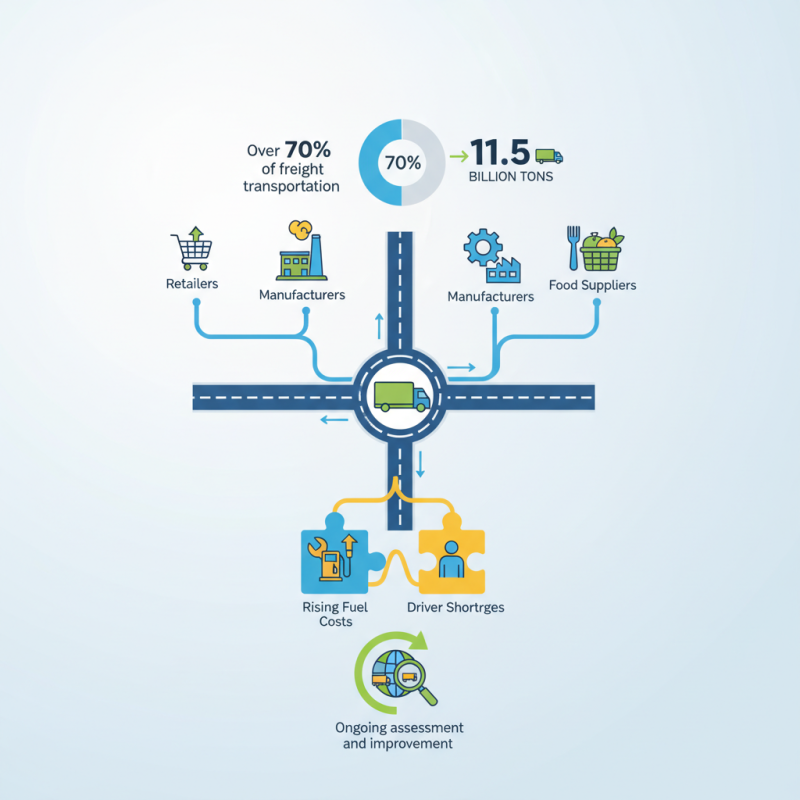
Roadway freight plays a critical role in modern supply chains. In 2022, it accounted for over 70% of freight transportation in the United States. The American Trucking Associations reported that trucking moved nearly 11.5 billion tons of freight. This reliance on roadway freight highlights its importance for timely deliveries and efficiency.
Many industries depend heavily on this mode of transport. Retailers, manufacturers, and food suppliers all rely on trucking to maintain their operations. A seamless supply chain often hinges on the ability to quickly and efficiently transport goods. Roadway freight offers the flexibility that many sectors need. However, it also faces challenges, such as driver shortages and rising fuel costs.
As we analyze the landscape, it's essential to recognize these flaws. Over-reliance on one mode can lead to vulnerabilities. Disruptions in roadway freight networks can ripple through entire supply chains. Hence, while roadway freight remains a backbone of logistics, its effectiveness requires ongoing assessment and improvement.
The Role of Roadway Freight in Supply Chain Logistics
Roadway freight plays a crucial role in modern supply chains. According to the American Trucking Association, trucks move nearly 72.5% of all freight in the U.S. This highlights their dominance in logistics, ensuring goods are delivered efficiently. The flexibility of road transport allows for quicker responses to market demands. As businesses strive for faster delivery times, roadway freight becomes indispensable.
Tips: Optimize routes to reduce costs. An efficient route can save time and fuel, leading to better margins.
However, challenges persist. Traffic congestion can delay deliveries, affecting the supply chain. A 2022 report by the Texas A&M Transportation Institute noted that congestion costs the trucking industry around $74 billion annually. These issues may lead to stockouts or delays for consumers.
Tips: Use technology to monitor traffic patterns. Real-time data can help drivers avoid clogged routes and enhance delivery efficiency.
Sustainability is another critical area. The industry is under pressure to reduce carbon footprints. The Environmental Protection Agency estimates that freight transport accounts for about 29% of greenhouse gas emissions in the U.S. Finding greener alternatives remains a daunting task for logistics managers.
Key Advantages of Roadway Freight over Other Transportation Modes
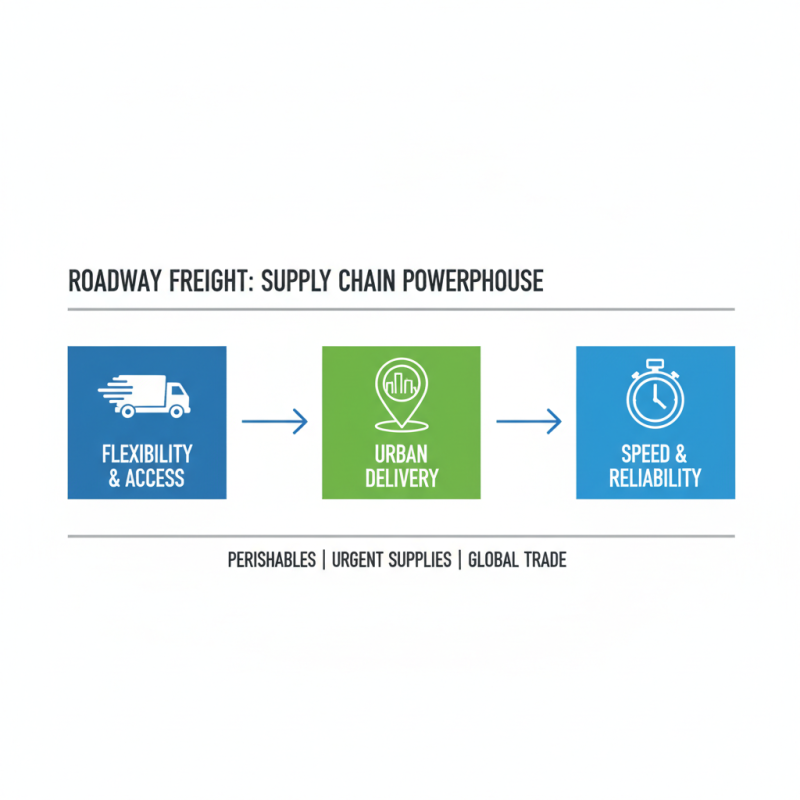
Roadway freight plays a vital role in modern supply chains. It offers flexibility that other transportation modes struggle to match. Trucks can maneuver through urban areas easily. This accessibility means goods reach their destinations faster. Whether it's perishable items or urgent supplies, roadway freight meets these needs effectively.
Another key advantage is cost-efficiency. Roads are often less congested than ports or rail yards. This translates to reduced delays and lower operational costs. However, road transport can face challenges. Traffic congestion and weather conditions affect delivery schedules. Despite these hurdles, the ability to plan routes efficiently still sets roadway freight apart.
Moreover, roadway freight supports just-in-time inventory systems. Businesses can adjust their inventory levels based on demand. This reduces storage costs and waste. However, reliance on trucks carries risks. Fuel price fluctuations can impact transportation budgets. Companies must continually assess their strategies to maintain efficiency. Overall, while roadway freight is essential, it is not without its complexities.
Impact of Roadway Freight on Cost Efficiency and Delivery Speed
Roadway freight plays a critical role in modern supply chains. It significantly impacts cost efficiency. According to a 2023 study by the American Transportation Research Institute, trucking accounts for about 70% of freight transportation in the U.S. This dominance highlights the reliance on trucks for timely deliveries. With average delivery speeds of 600 miles per day, the speed advantage is clear. Faster deliveries often lead to increased customer satisfaction.
However, efficiency isn’t always guaranteed. Rising fuel costs can eat into profit margins. The same report mentioned that fuel expenses represent nearly 24% of a carrier's total operating costs. This fluctuation can create challenges for logistics managers. They must strategize effectively to maintain cost-effectiveness while meeting speed demands.
Additionally, roadway conditions can affect delivery times. Traffic congestion and road maintenance can hinder the timely delivery of goods. The Federal Highway Administration reported that congestion costs the trucking industry approximately $74 billion each year. It’s essential for supply chains to adapt to these challenges to optimize roadway freight benefits. Increased use of technology and data analytics may help, but constant monitoring remains necessary.
Challenges Facing the Roadway Freight Industry in Modern Supply Chains
The roadway freight industry faces significant challenges today. One major issue is traffic congestion. Increased urbanization leads to slower transit times. Deliveries are delayed, causing supply chain disruptions. Drivers often spend hours stuck in traffic. It raises costs and affects efficiency.
Another challenge is labor shortages. Many trucking companies struggle to find qualified drivers. Long hours and low job appeal deter new entrants. This shortfall puts pressure on existing drivers, leading to burnout. High turnover rates add to operational difficulties.
Regulatory compliance adds another layer of complexity. New environmental regulations are on the rise. Companies are challenged to meet stricter emissions standards. Investing in technology can help, but it requires capital. Many smaller firms lack the resources to adapt quickly. These obstacles demand urgent attention and creative solutions from the industry.
Why Roadway Freight is Essential for Modern Supply Chains? - Challenges Facing the Roadway Freight Industry in Modern Supply Chains
| Dimension |
Data |
| Percentage of Freight Transported by Road |
70% |
| Average Delivery Time (Days) |
2-5 Days |
| Annual Growth Rate of Road Freight Industry |
3.5% |
| Main Challenges Faced |
Driver Shortage, Regulatory Compliance, Fuel Costs |
| Impact of E-commerce on Road Freight |
Increased Demand for Last-Mile Delivery |
| Environmental Concerns |
Carbon Emissions from Freight Transport |
| Technological Innovations |
Telematics, Autonomous Vehicles, Route Optimization |
Technological Innovations Enhancing Roadway Freight Operations
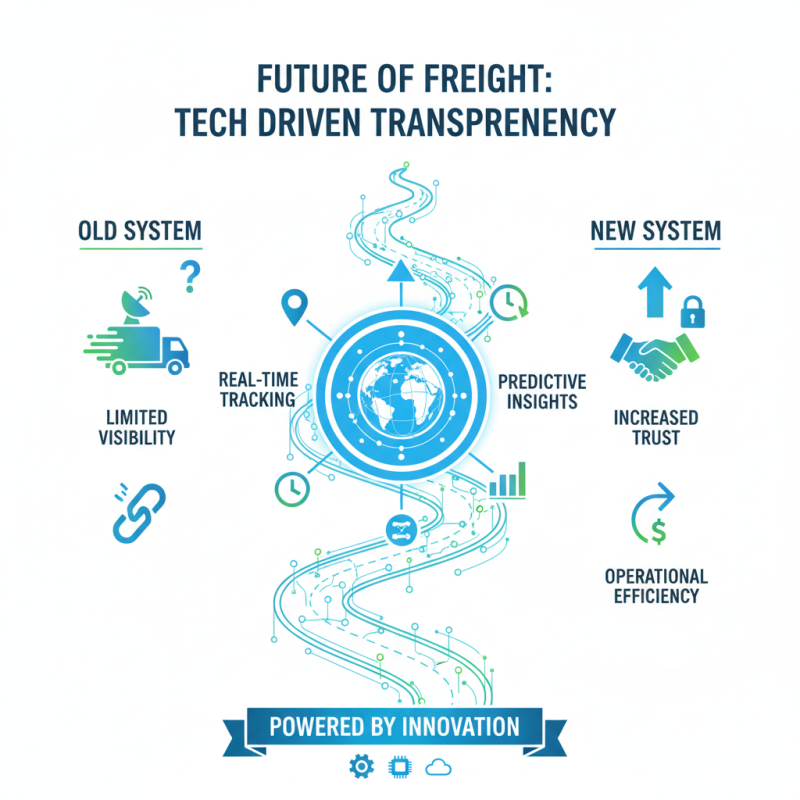
Technological innovations are reshaping roadway freight operations. Advanced tracking systems now offer real-time visibility. This enhances transparency and boosts trust between parties.
According to a recent report by the Council of Supply Chain Management Professionals, over 70% of freight is transported by truck in the U.S. However, many carriers still rely on outdated methods. This leads to inefficiencies. In fact, data shows that logistics costs can consume up to 10% of sales for businesses.
Automation is a growing trend. More companies are adopting autonomous trucks. These vehicles promise to reduce labor costs. Yet, there are concerns about safety and regulatory hurdles. Moreover, the integration of AI helps in route optimization, cutting down delivery times. While these technologies show great potential, not all companies can afford them. It poses a challenge for smaller businesses. They often struggle to keep up with technological advancements.