What is Groupage Transport and How Does it Work?
Groupage Transport is an efficient logistics solution. It combines smaller shipments from multiple clients into one larger load. This method reduces costs and maximizes space. Many businesses benefit from this approach. They save money while ensuring timely deliveries.
In Groupage Transport, various types of goods share the same vehicle. This increases efficiency in freight management. It often involves consolidating goods from different locations. However, managing these shipments can pose challenges, especially in tracking and coordination.
Despite its advantages, Groupage Transport is not without flaws. Miscommunication might lead to delays. Additionally, varying shipment sizes can complicate logistics. Businesses need to weigh these factors carefully. Understanding Groupage Transport helps in making informed decisions.
What is Groupage Transport?
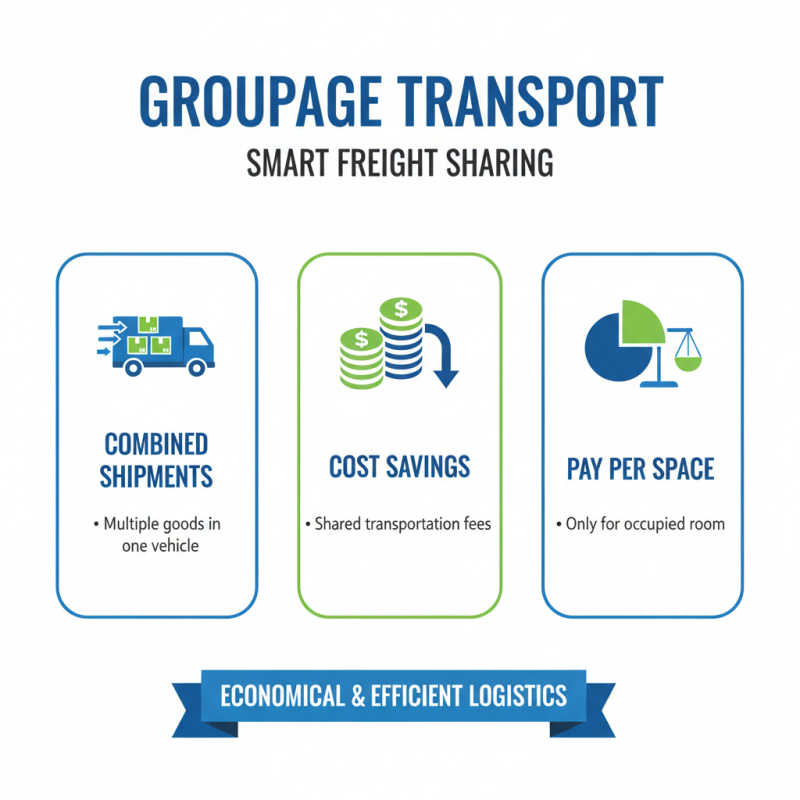
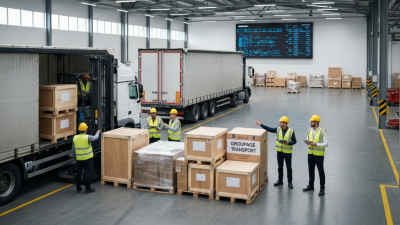
Groupage transport is a logistics method that combines several shipments into one parcel. This technique helps businesses share transportation costs, making it more economical. Each sender pays for only the space their goods occupy in the vehicle. It’s like carpooling for freight.
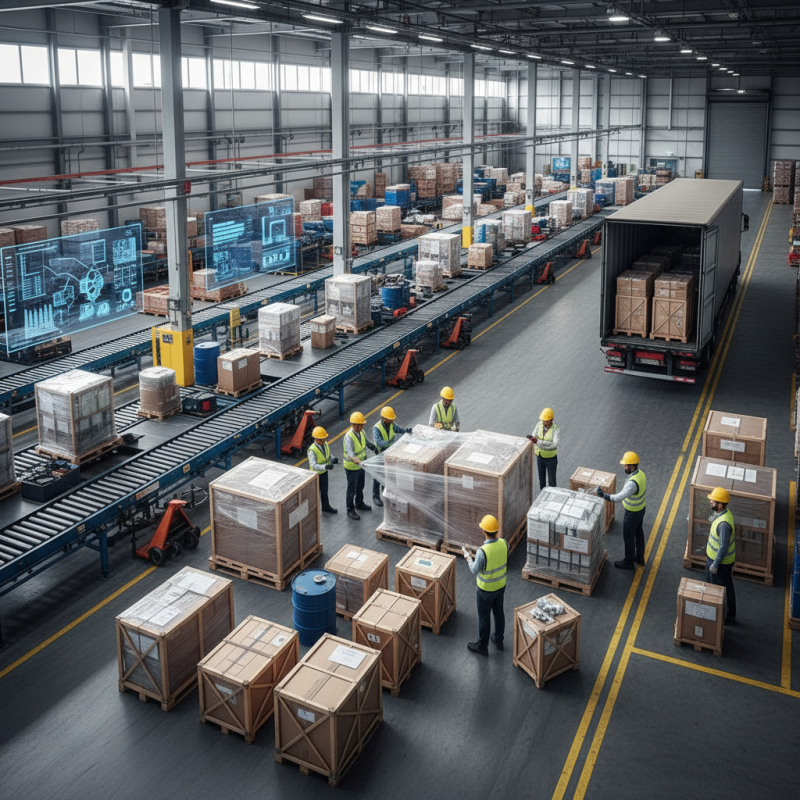
When items arrive at a designated hub, they are sorted according to their destinations. Smaller loads from various clients create a full truckload. This system can reduce delivery times and increase efficiency. However, coordination can be tricky. Miscommunication may lead to delays.
Many companies turn to groupage transport to minimize shipping costs. It’s a practical solution for many small to medium-sized enterprises. Yet, challenges persist in tracking individual shipments. Transparency is sometimes lacking, leaving some clients in the dark about their goods.
Key Components of Groupage Transport
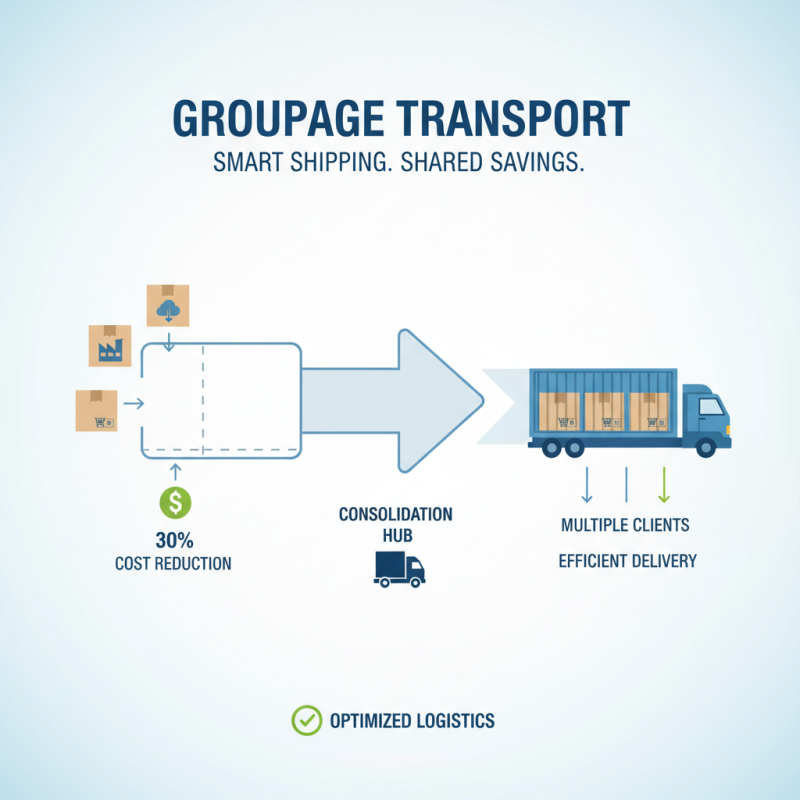
Groupage transport, also known as part-load shipping, is an efficient way to consolidate shipments. This method combines multiple smaller shipments into one larger delivery. It optimizes costs for businesses by sharing transport expenses among various clients. According to industry reports, groupage transport can reduce shipping costs by up to 30%, making it attractive for smaller businesses.
Key components of groupage transport include consolidation centers, specialized containers, and advanced tracking technology. Consolidation centers serve as hubs where goods are combined. These centers help streamline the process, but they require careful management to avoid delays. A report from the Logistics Management Association states that effective consolidation reduces lead times by 15%.
Tips: Ensure proper labeling of packages. Clear labels help reduce confusion during the consolidation process. Additionally, invest in tracking technology. It enhances visibility and can uncover inefficiencies in the transport chain.
While groupage transport can greatly enhance efficiency, it has its challenges. Coordination among different shipments can become complex. Miscommunication might lead to lost items or delays. Regular reviews and open communication channels are essential for continuous improvement.
How Groupage Transport Operates: A Step-by-Step Process
Groupage transport, a method combining various shipments into one, allows businesses to save costs. This approach is crucial for smaller shipments which would otherwise be inefficient. In 2021, the global groupage logistics market was valued at approximately $40 billion, highlighting its importance.
The operation begins with consolidating multiple orders. This involves collecting goods from different suppliers. After gathering enough cargo, it is loaded into a single container. Tracking these shipments in real-time is essential. According to industry reports, 70% of logistics providers now use advanced tracking systems. This data helps businesses and customers know their shipment's status.
Once the container reaches its destination, the unloading process starts. This can create delays. Not all items are always straightforward to sort and distribute. Challenges such as incorrect address labels or damaged goods may arise. Some estimates suggest that around 10% of freight experiences issues during this phase. Addressing these hurdles quickly is vital for maintaining service quality.
What is Groupage Transport and How Does it Work?
| Phase |
Description |
Duration |
Cost |
| Collection |
Goods are collected from various suppliers to consolidate them. |
1-2 days |
$100 |
| Consolidation |
Collected goods are sorted and packed together in a warehouse. |
1 day |
$50 |
| Transportation |
Consolidated shipments are transported to the destination. |
3-5 days |
$200 |
| Delivery |
Goods are delivered to the final recipient. |
1 day |
$75 |
Benefits of Using Groupage Transport for Businesses
Groupage transport is a growing solution for businesses looking to manage costs. By consolidating shipments from multiple clients, companies save money. According to industry reports, groupage transport can reduce shipping costs by up to 30%. This method allows small and medium-sized enterprises to access larger freight networks.
Another significant benefit is flexibility. Businesses can ship smaller quantities without worrying about full container loads. This approach is particularly useful for seasonal or fluctuating demands. Reports indicate that 45% of businesses that use groupage transport experienced increased efficiency in their supply chains. However, delays can occur due to cargo consolidation. It's essential to plan shipments carefully to mitigate this issue.
Reliability is another factor to consider. While groupage transport offers lower costs, businesses might face longer transit times. It’s crucial to balance cost savings with delivery timelines. Many companies report mixed experiences with service levels. Thus, choosing the right logistics provider is key. Investing time in finding a reliable partner can enhance the benefits of groupage transport.
Challenges and Considerations in Groupage Transport
Groupage transport can be efficient, but it comes with challenges. One major hurdle is timing. Since multiple shipments are consolidated, delays can happen. When one shipment is late, all others may face delays. This can affect delivery commitments.
Another consideration is damage risk. Items from different suppliers are packed together. If not secured properly, fragile goods may suffer in transit. Careful handling and packaging are essential. Improper packing leads to broken products and unhappy customers.
Tips: Always choose reliable carriers. They understand the nuances of groupage transport well. Communicate clearly with them about the nature of your goods. This helps ensure appropriate handling. Also, consider insurance for high-value items. It’s an added cost but can save money in the long run.