High Speed Rail Cargo Benefits and Challenges Explained?
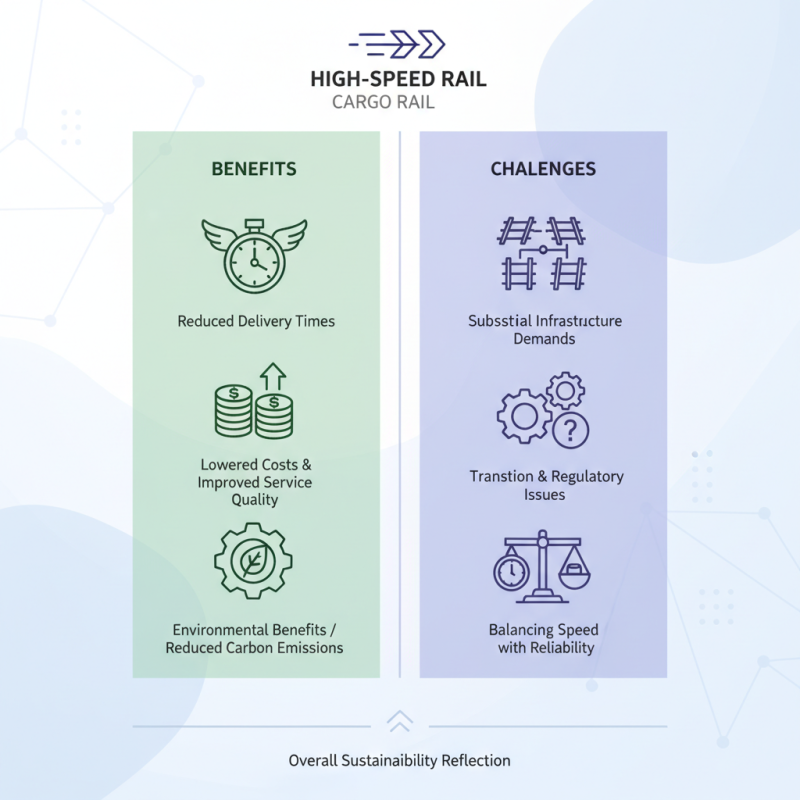
High Speed Rail Cargo has emerged as a critical component in modern logistics. It offers an efficient means to transport goods quickly across regions. Countries investing in high-speed rail networks see potential benefits for both businesses and consumers. The speed of these trains can significantly reduce delivery times. This advantage is crucial in a fast-paced market.
However, integrating High Speed Rail Cargo into existing systems presents challenges. The infrastructure demands are substantial. Not all regions have the capacity to accommodate high-speed lines. Additionally, companies may struggle with transitioning from traditional transportation methods. Regulatory issues can add complexity, making coordination difficult.
Despite these hurdles, the impact of High Speed Rail Cargo is undeniable. The environmental benefits, such as reduced carbon emissions, are noteworthy. Businesses can lower costs and improve service quality through faster shipping methods. Yet, further reflection is needed on the overall sustainability of these projects. Balancing speed with reliability remains a point of discussion in the industry.
Overview of High-Speed Rail Cargo Systems
High-speed rail cargo systems offer a unique alternative for transporting goods. These systems can significantly reduce transit time. For businesses, this means fresher products and faster delivery times to customers. Speed is a major advantage over traditional freight transport. However, the infrastructure needed is costly and requires extensive planning.
One of the notable features of high-speed rail is its efficiency. Trains can carry large volumes of cargo, minimizing the number of trips needed. This not only saves time but also reduces emissions compared to trucks. Yet, the initial investment in rail lines and stations can be daunting. It raises questions about long-term viability and profitability.
High-speed rail cargo systems present both opportunities and challenges. On one hand, they could transform logistics. On the other hand, they demand significant upfront costs and sustained political support. The balance between speed, cost, and practicality needs further exploration. Some routes may not be feasible, limiting wider adoption. Ultimately, these systems require thorough consideration to align with regional and economic needs.
Benefits of High-Speed Rail for Cargo Transportation
High-speed rail cargo transportation offers notable benefits that can reshape logistics. Firstly, speed is a major advantage. High-speed trains can significantly reduce delivery times. This is crucial for time-sensitive goods, like fresh produce or medical supplies. Faster travel means products reach consumers quickly, improving satisfaction.
Additionally, high-speed rail is often more environmentally friendly than trucks. Trains can carry large quantities of goods without the same carbon footprint. This is essential in a world focused on sustainability. Efficient use of energy in trains can lead to lower overall emissions. However, the infrastructure required for high-speed rail can be costly. It's an investment that not all regions may prioritize.
Another aspect to consider is reliability. High-speed trains typically follow a set schedule, reducing delays. However, they can be affected by extreme weather. Rail lines may face challenges that disrupt service. This factor requires companies to have backup plans. High-speed rail has potential, but there remain hurdles to overcome in its widespread adoption. Each region must assess its logistical needs and the associated costs of such a system.
Key Challenges Facing High-Speed Rail Cargo Operations
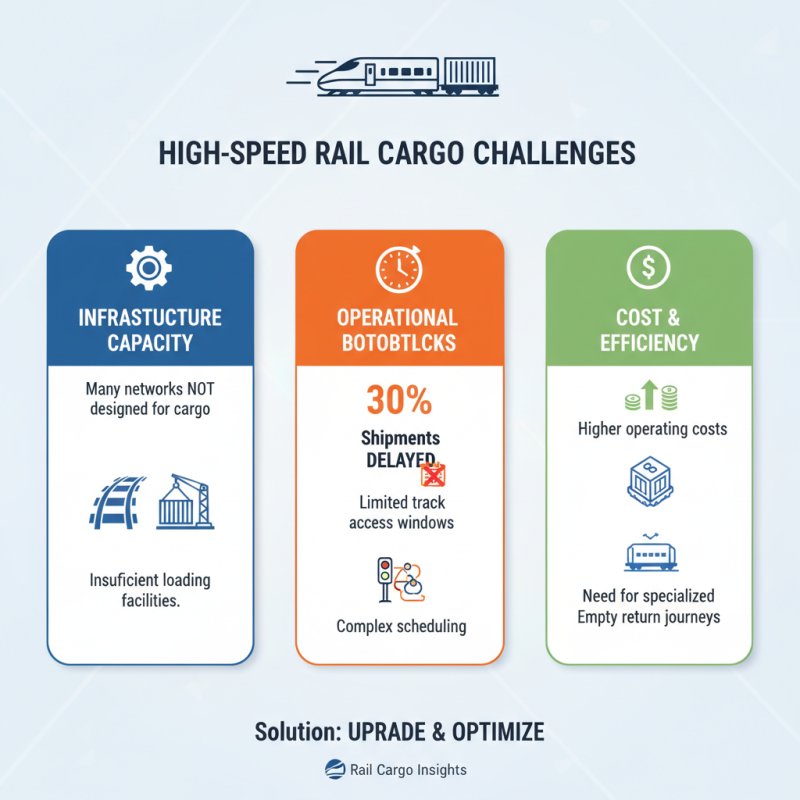
High-speed rail cargo operations present unique challenges. One major concern is the infrastructure's capacity. Many rail networks were not designed for cargo transport. Insufficient loading facilities can lead to delays and inefficiencies. A study indicates that around 30% of cargo shipments face delays due to infrastructure bottlenecks.
Another challenge is interoperability. Different rail systems operate under varying standards. This lack of uniformity complicates cargo handling and increases transit time. According to industry reports, costs can rise by 15% due to this inefficiency. Additionally, various safety regulations across regions can hinder smooth operations, further complicating the logistical landscape.
Lastly, stakeholder coordination is often inadequate. Effective collaboration is crucial for maximizing the benefits of high-speed rail cargo. However, inadequate communication can lead to misunderstandings, impacting service quality. Inefficiencies in scheduling and tracking cargo contribute to service breakdowns. The high expectations for speed must be managed with operational realities for successful outcomes.
Comparative Analysis with Traditional Freight Methods
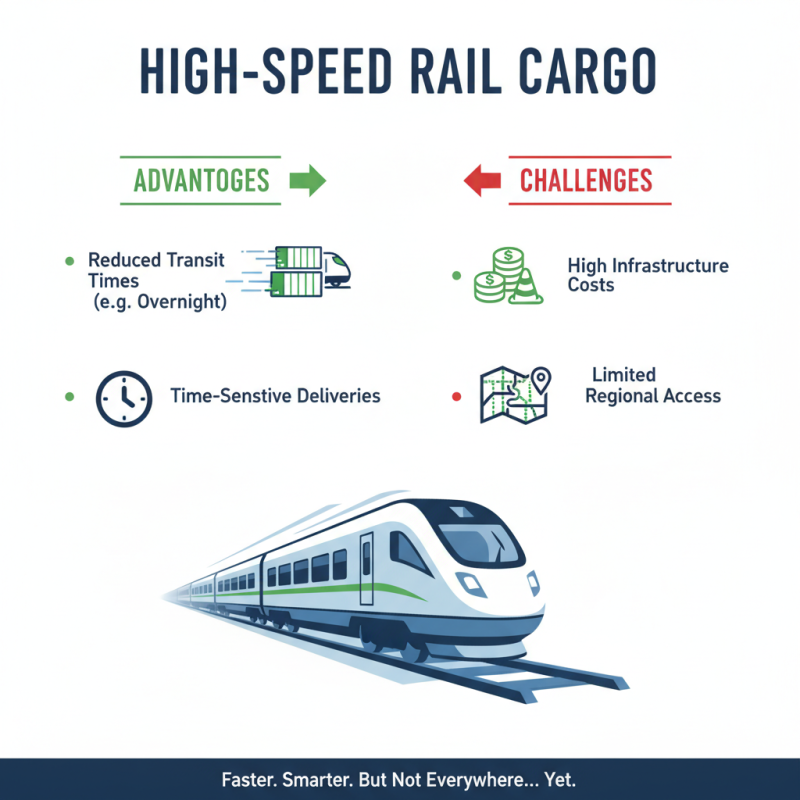
High-speed rail cargo offers distinct advantages when compared to traditional freight methods. It boasts reduced transit times. Goods can travel hundreds of miles quickly. For instance, some shipments can reach their destination overnight. This speed can crucially support industries with time-sensitive deliveries. However, it also poses challenges. Infrastructure costs are high, and not all regions have access to rail lines.
Traditional freight methods, like trucks, are more flexible. They can reach remote areas directly. But, they are slower and often affected by traffic or weather conditions. High-speed rail can connect major hubs efficiently. Yet, it may not serve smaller towns effectively. This lack of accessibility can lead to reliance on trucks for the last mile.
In evaluating both methods, one must consider costs and efficiency. High-speed rail requires significant investment in tracks and stations. That can be a risky endeavor. Meanwhile, traditional methods have varying fuel costs and environmental impacts. Balancing these factors is essential for a sustainable freight solution. The choice often comes down to specific needs of industries and availability of infrastructure.
Future Prospects for High-Speed Rail Cargo Innovation
The future of high-speed rail cargo is promising yet complex. In 2022, the global high-speed rail market was valued at $63 billion, with projections estimating it will reach $120 billion by 2030. This surge indicates a growing acceptance of rail as a viable cargo alternative. High-speed rail can reduce transit times significantly, with potential journeys of over 1,000 km completed in under five hours. These speed advantages attract businesses seeking efficient supply chain solutions.
However, challenges remain. Infrastructure costs can be exorbitant, often requiring significant public investment. In some regions, the lack of universal gauge standardization complicates the smooth transfer of goods across networks. Notably, 40% of rail cargo operations report delays due to outdated facilities. Addressing these issues could unlock the full potential of high-speed rail cargo. Innovations, such as advanced tracking systems and automated loading techniques, could enhance efficiency. The integration of AI in logistics management shows promise, potentially reducing operational costs by 30%. The outlook is optimistic, but it requires careful planning and significant investment to address existing gaps.
High Speed Rail Cargo: Benefits and Challenges Over Time