10 Essential Tips for High Speed Rail Cargo Efficiency
High Speed Rail Cargo has revolutionized the logistics industry. This rapidly growing sector plays a vital role in connecting cities. Efficiency is key in ensuring timely deliveries and reducing costs.
Many companies overlook important techniques for optimizing their cargo processes. Common mistakes can lead to delays and dissatisfaction. Failing to plan routes effectively is one major flaw. Proper scheduling is crucial for high-speed operations.
The benefits of high-speed rail are clear. However, the challenges cannot be ignored. By addressing these issues, we can enhance the overall efficiency of High Speed Rail Cargo. Adopting specific strategies can pave the way for smoother operations. It's time for the industry to reflect on current practices and improve where necessary.
Understanding High Speed Rail Cargo Systems and Their Importance
High speed rail cargo systems are crucial for modern logistics. They facilitate the movement of goods over long distances in a timely manner. This efficiency can significantly reduce delivery times. For businesses, it's a game changer.
One essential tip focuses on streamlining loading procedures. Time spent loading and unloading directly affects schedules. Operators should aim to reduce this time as much as possible. Efficient loading docks with clear signage can help. Properly trained staff also play a big role.
Another tip emphasizes route optimization. Analyzing travel itineraries can save both time and fuel. Every minute counts when it comes to cargo transport. Using real-time data for adjustments can enhance operational efficiency. Remember, even small delays add up. Reflect on current processes to find improvement areas.
Key Factors Influencing Cargo Efficiency in High Speed Rail Operations
High-speed rail offers an innovative solution for cargo transportation, but efficiency is not guaranteed. Effective planning is crucial. Routes should be optimized based on cargo type and destination. Choosing the right depots along the way can minimize delays and enhance overall productivity.
Infrastructure plays a significant role in cargo efficiency. Tracks must be well-maintained to support fast transit times. Loading and unloading facilities need to be strategically placed. This reduces the time spent at stations. However, some operators overlook the quality of these stations, leading to bottlenecks. Regular assessments to identify weak points are essential but often neglected.
Communication between stakeholders is vital. Clear information flow can prevent misunderstandings that slow down operations. When logistics companies and rail operators collaborate, they can improve scheduling and resource allocation. Nonetheless, misalignment in goals can still happen. Regular meetings may help address these issues but require commitment from all parties involved.
10 Essential Tips for High Speed Rail Cargo Efficiency
| Tip |
Description |
Impact on Efficiency |
Implementation Cost |
| Automated Load Planning |
Utilize software for optimal cargo distribution. |
Increased space utilization by 30%. |
Medium |
| Real-time Tracking |
Implement GPS and RFID for cargo tracking. |
Reduced theft and loss by 20%. |
High |
| Training Personnel |
Regular training for staff on cargo handling. |
Improved loading times by 25%. |
Low |
| Streamlined Processes |
Review and simplify cargo handling procedures. |
Decreased transfer times by 15%. |
Medium |
| Condition Monitoring |
Use sensors to monitor cargo conditions. |
Maintained quality of sensitive goods. |
Medium |
| Collaborative Networks |
Engage with partners for capacity sharing. |
Optimized freight loads by 18%. |
Low |
| Scheduled Maintenance |
Regular checks on train and infrastructure. |
Minimized downtime by 30%. |
Medium |
| Enhanced Container Design |
Design containers for better airflow and efficiency. |
Increased cargo capacity. |
High |
| Feedback Loops |
Establish channels for feedback on operations. |
Continuous improvement in services. |
Low |
| Green Practices |
Incorporate sustainable practices in operations. |
Reduced carbon footprint. |
Medium |
Strategies for Optimizing Loading and Unloading Processes
Efficient loading and unloading processes are crucial for high-speed rail cargo operations. One key strategy is to streamline communication among all teams involved. When everyone is on the same page, delays can be minimized. Consistent contact ensures safety and proper organization, but sometimes messages get tangled. A small misunderstanding can create significant delays.
Another essential tip is to utilize adequate equipment. Forklifts and conveyor belts can speed up the process. However, relying too heavily on technology can lead to pitfalls. Regular maintenance checks are necessary to ensure everything runs smoothly. Equipment failures can cause interruptions, wasting precious time. Make it a habit to inspect machinery regularly.
Training staff is equally important. Skilled personnel can manipulate complex systems with ease and help steer the cargo efficiently. Yet, in reality, some workers may miss crucial aspects during training. Continuous education programs are necessary to refine their skills. Untrained hands can lead to errors, affecting overall efficiency and timelines. Enhancing expertise should be a priority to keep the rail cargo flowing seamlessly.
High Speed Rail Cargo Efficiency: Loading and Unloading Times
The Role of Technology in Enhancing Cargo Tracking and Management
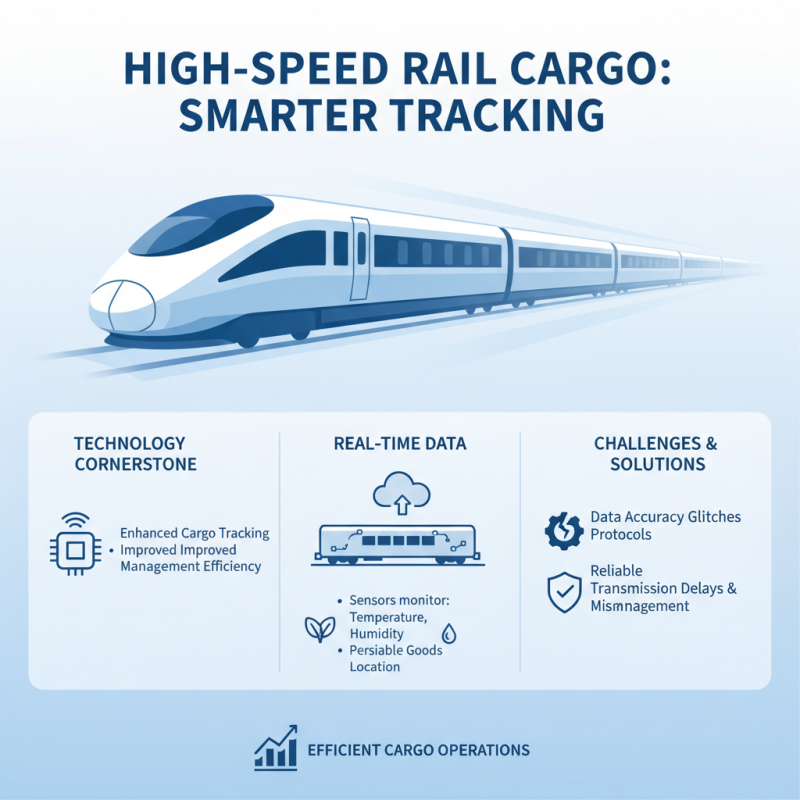
In the realm of high-speed rail, technology serves as a cornerstone for improving cargo tracking and management. Efficient cargo operations rely heavily on real-time data collection. Sensors installed on trains can monitor cargo conditions, including temperature and humidity. This information is invaluable for perishable goods. However, the challenge remains in ensuring the accuracy of the data transmitted. Glitches can lead to delays and mismanagement.
Another key technological advancement is RFID tagging. Using RFID allows for continuous tracking of cargo throughout the journey. This system provides visibility into the supply chain, enabling quick adjustments if needed. Yet, it is not without flaws. The initial costs for implementing such technology can be significant. Many operations struggle to justify the investment. It's essential to weigh potential savings against these startup costs.
Moreover, sophisticated software platforms facilitate the integration of cargo management systems. An effective platform can streamline operations and improve communication between stakeholders. Still, companies often face hurdles with user training and system adaptability. Not all employees may be eager to adopt these new tools. Human resistance can hinder efficiency, and that’s an area where continuous improvement is needed. By addressing these challenges head-on, the high-speed rail sector can truly revolutionize cargo management.
Sustainability Practices to Improve High Speed Rail Cargo Performance
High-speed rail cargo has the potential to be a game-changer in transporting goods efficiently. However, it’s crucial to adopt sustainability practices to enhance performance. One effective approach involves optimizing load distribution. When cargo is evenly distributed, it helps reduce energy consumption during transit. This not only saves costs but also minimizes wear and tear on the rail infrastructure.
Another practice to consider is using eco-friendly packaging materials. Biodegradable and recyclable options can significantly lower the carbon footprint of each shipment. Smart logistics planning plays a vital role too. By strategically scheduling deliveries, rail systems can ensure that trains operate at maximum capacity without unnecessary trips. Yet, the challenge remains in balancing efficiency with flexibility, particularly in accommodating varying demand.
Furthermore, continuous evaluation of energy sources is essential. Transitioning to renewable energy can dramatically reduce emissions from rail operations. However, some regions may struggle with availability. This presents a challenge: how do we balance innovation with practical limitations? Embracing technology, like real-time tracking, can also improve transparency. Yet, reliance on tech could raise concerns regarding cybersecurity. These elements highlight a need for ongoing reflection.