What is High Speed Rail Cargo and How Does It Work?
High Speed Rail Cargo represents a transformative shift in freight transport, combining speed and efficiency. This innovative mode of transportation has gained traction worldwide, particularly in regions like Europe and Asia. According to a report by the International Union of Railways, High Speed Rail Cargo can move freight at speeds up to 350 km/h, reducing delivery times significantly.
In 2022, the global market for high-speed rail was valued at approximately $60 billion and is expected to grow. Businesses benefit from this rapid transit, as it enhances supply chain efficiency. Despite the numerous advantages, some challenges remain. Infrastructure costs are high, and many regions lack the necessary investments. Additionally, integrating High Speed Rail Cargo with existing networks poses logistical issues.
Furthermore, while this mode of transport is environmentally friendly compared to trucks, issues around energy sources persist. Implementing green technologies throughout the system is crucial. As the industry evolves, stakeholders must address these complexities to maximize the potential of High Speed Rail Cargo.
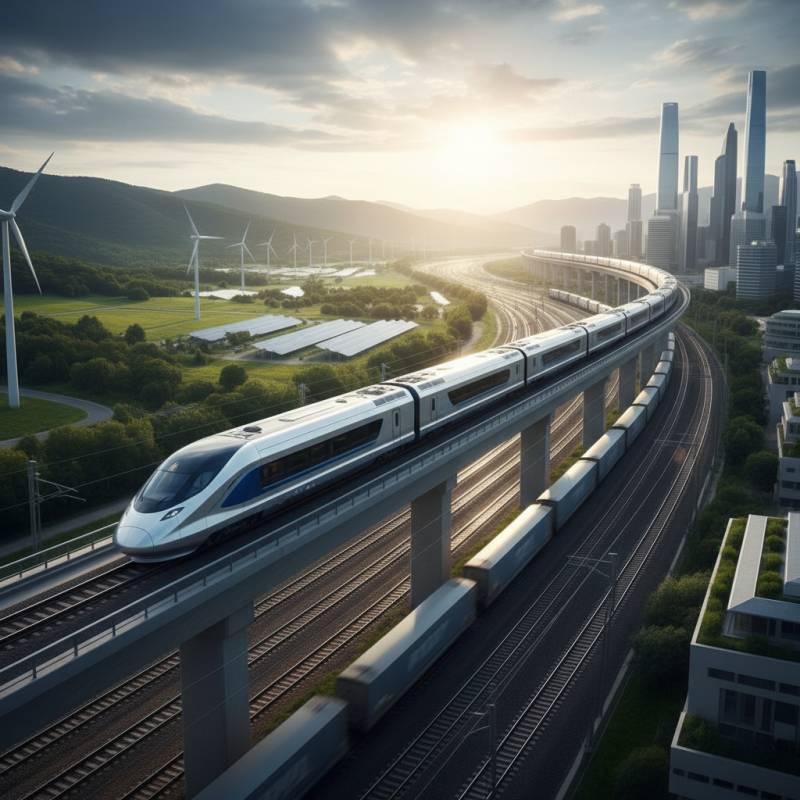
Definition of High Speed Rail Cargo and Its Significance
High Speed Rail Cargo refers to the transportation of goods using high-speed rail systems. This method is gaining attention for its efficiency and speed. It significantly reduces transport time compared to traditional freight methods. For example, what once took days can now be accomplished in hours with high-speed rail.
The significance of High Speed Rail Cargo lies in its potential to enhance trade and logistics. It connects major cities, providing swift deliveries. Companies can reduce inventory costs and improve customer satisfaction. Imagine fresh produce arriving at markets faster than usual. However, challenges exist. Infrastructure costs are high, and not all regions have suitable rail networks. Prioritizing investment in these areas is crucial for wider adoption.
Still, High Speed Rail Cargo represents a promising shift in freight transport. It challenges the status quo of long-distance shipping. The future may rely on these innovations for a more efficient supply chain. Questions remain, though. Will it be accessible to all? Can it integrate seamlessly with other transport modes? These are critical aspects to consider as the system develops.
Key Components of High Speed Rail Cargo Systems
High Speed Rail Cargo systems consist of several key components that enable efficient transportation. Trains designed for cargo have unique features. They often include specialized containers that maximize space and streamline loading processes. These containers can carry various goods, from electronics to perishable items. The design ensures safety and minimizes damage during transit.
Another vital element is the rail infrastructure itself. High-speed rail tracks are engineered for optimal speed and load capacity. However, maintaining these tracks can be costly and complex. Regular inspections are essential but sometimes overlooked. This leads to potential safety risks and service interruptions.
Furthermore, technology plays a crucial role. Advanced tracking systems help monitor cargo in real-time. This connectivity fosters transparency but can sometimes face technical glitches. Despite these challenges, the efficiency of high-speed rail cargo remains significant. Increasingly, companies recognize its potential for reducing greenhouse gas emissions compared to traditional transportation methods.
How High Speed Rail Cargo Operates: The Workflow
High-speed rail cargo has revolutionized freight transportation. The process begins with cargo loading at designated terminals. Specialized containers are prepared for various types of goods. Goods could range from electronics to perishable items. Each item is clearly labeled for tracking.
The trains are designed for efficiency. They typically reach speeds of up to 300 km/h. This rapid transport allows for quick deliveries across long distances. However, there are challenges. Maintaining the integrity of perishable goods is critical. Temperature controls must be carefully monitored.
Tracking technology plays a vital role in the workflow. Real-time updates ensure stakeholders know the status of their shipments. Yet, not all systems are foolproof. There can be delays or miscommunications that lead to confusion. Improved communication channels can help mitigate these issues. Ultimately, high-speed rail cargo offers a faster alternative to traditional freight methods, yet it requires constant refinement.
High Speed Rail Cargo Efficiency
Advantages of High Speed Rail Cargo Over Traditional Shipping Methods
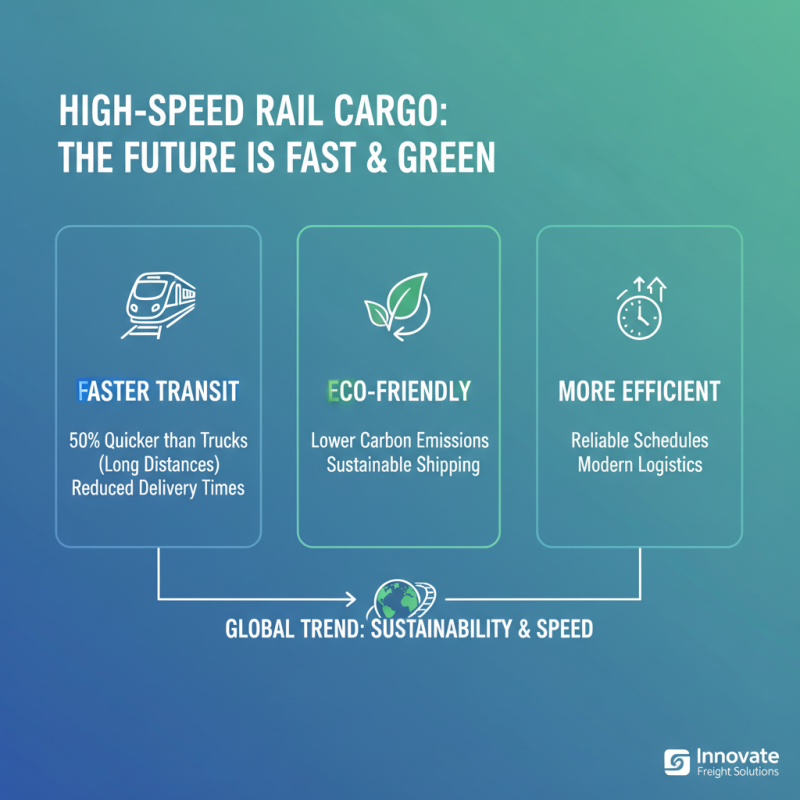
High-speed rail cargo has emerged as a viable alternative to traditional shipping methods. This system can transport goods faster and more efficiently. According to a recent industry report, rail freight can be up to 50% faster than trucking over long distances. Speed is not the only advantage. High-speed rail also reduces carbon emissions, making it a more eco-friendly choice. This aligns with growing trends in sustainability.
Cost-effectiveness is another crucial benefit. While initial investments in high-speed rail infrastructure can be substantial, the operational costs are often lower than those of heavy trucks. A study indicated that rail freight can save companies around 20% in logistics costs due to lower fuel consumption and reduced labor needs. However, not all regions have the necessary infrastructure. There are gaps in network coverage that need addressing.
Reliability is a mixed bag. High-speed rail often offers consistent schedules, but delays do occur. Weather conditions and track issues can impact delivery times. Thus, companies must weigh the pros and cons carefully. Despite its drawbacks, the promise of high-speed rail cargo presents an innovative leap in freight transportation, urging us to reconsider our logistics strategies.
Challenges and Future Prospects of High Speed Rail Cargo Operations
High-speed rail cargo operations present significant challenges. One primary concern is infrastructure. Many regions lack the necessary rail connections. As high-speed trains were primarily designed for passengers, adapting them for freight is complex. According to a recent report from the International Transport Forum, rail freight demand is projected to increase by 40% by 2030. This rising demand highlights the urgent need for infrastructure upgrades.
Another challenge is technology integration. Existing cargo systems need to adapt to the fast-paced nature of high-speed rail. For instance, loading and unloading processes must be streamlined to match train schedules. Research suggests that operational delays can result in losses of up to 15% of total freight revenue. Maintaining a balance between speed and capacity is crucial for success.
Future prospects look brighter. Governments and rail agencies are investing in research. Innovations like automated loading systems could enhance efficiency. However, this shift requires significant financial commitment and collaboration across sectors. As the industry evolves, stakeholders must address these challenges head-on. Otherwise, potential benefits might remain untapped.