Why Choose an Intermodal Train Station for Urban Transport?
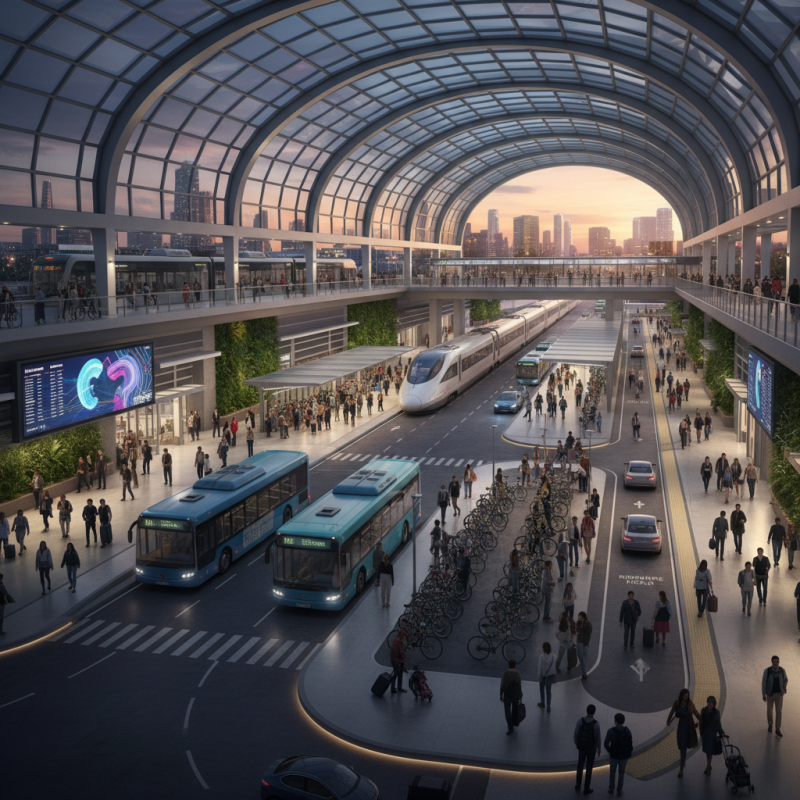
In urban transport, the choice of an Intermodal Train Station can significantly impact mobility. These stations integrate various modes of transport. They connect trains, buses, bicycles, and even rideshare options in one location. This seamless transition reduces travel time and improves efficiency. However, creating these stations presents unique challenges.
An Intermodal Train Station enhances accessibility. It provides easy access to different transport options for commuters. Imagine stepping off a train and quickly boarding a bus or grabbing a bike. This convenience encourages public transport use, potentially decreasing road congestion. Yet, infrastructure investments can be costly and time-consuming. The community must weigh benefits against potential delays or funding issues.
Equally, the design of the Intermodal Train Station deserves attention. It should promote safety and user-friendly navigation. A well-designed station can become a hub for community interaction. But if not carefully planned, it might lead to confusion. Balancing aesthetics and functionality is crucial. Ultimately, the success of these stations relies on thoughtful planning and execution.
Benefits of Intermodal Train Stations for Urban Mobility
Intermodal train stations play a vital role in urban transport. They enable seamless transfers between different modes of transportation. A report by the Urban Mobility Foundation highlights that cities with intermodal facilities see a 20% increase in public transport usage. This shift reduces congestion and lowers carbon emissions. In urban areas, these stations enhance connectivity, making it easier for residents to access jobs and services.
Tips: Ensure your local transportation planners consider intermodal solutions. Engage with community stakeholders to address concerns.
The design of these train stations can influence urban life significantly. A well-placed intermodal hub can reduce travel times. Studies suggest that commuters value reduced transfer times, leading to improved satisfaction with public transport systems. However, the challenge lies in integrating these stations within existing urban landscapes. Not all cities have the infrastructure required.
Tips: Promote the idea of mixed-use developments around train stations. This can boost economic activity and enhance overall urban mobility.
Benefits of Intermodal Train Stations for Urban Mobility
Integration of Multiple Transport Modes at Intermodal Train Stations
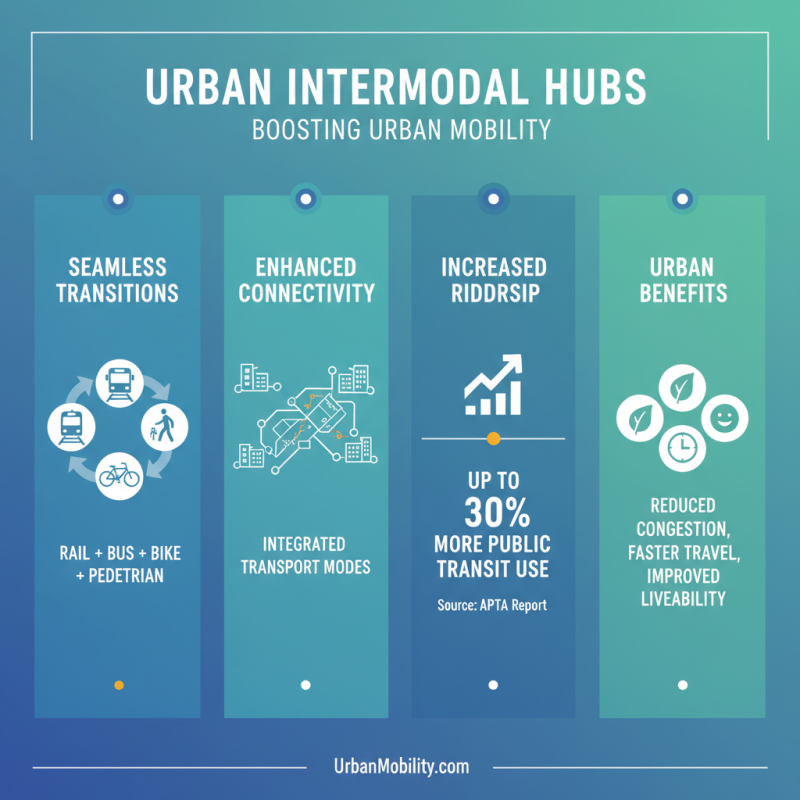
Intermodal train stations are vital for urban transportation. They efficiently integrate various modes of transport, enhancing mobility. Rail, bus, bike, and pedestrian pathways converge in these hubs, providing seamless transitions. According to a report by the American Public Transportation Association, implementing intermodal systems can boost public transport use by up to 30%.
A major advantage is reduced congestion. With more people using trains, fewer cars take to the roads. In cities with strong intermodal systems, traffic has been reported to decrease by 20%. This is crucial for reducing carbon footprints and improving air quality in urban areas. Yet, challenges exist. Not all cities have sufficiently connected transport networks. Some stations lack clear signage or information systems, which can confuse users.
Tips: Always check routes in advance. Take note of transfer times. These small steps can enhance the journey. Engaging with local authorities about improving connectivity can also be beneficial. Exploring partnerships with tech firms might lead to better real-time updates. Regular assessments of facilities can highlight areas needing improvement, ensuring a user-friendly experience for all.
Environmental Impact of Intermodal Transport Solutions
Intermodal train stations offer a unique solution to modern urban transport challenges. By combining different modes of transport, they reduce the reliance on personal vehicles. This shift can significantly lower carbon emissions. With fewer cars on the roads, air quality improves, benefiting public health. People can connect easily between trains, buses, and bicycles.
However, the environmental impact varies. Not every intermodal facility is designed with sustainability in mind. Some may still rely on outdated technology. Infrastructure development often harms local ecosystems. Urban sprawl can lead to habitat loss. It's crucial for cities to design these hubs thoughtfully.
While intermodal transport looks promising, it needs constant evaluation. Future developments must prioritize green practices. Communities must advocate for eco-friendly solutions. Regular assessments will ensure that benefits are maximized. A commitment to sustainability will make these stations truly beneficial. Balancing efficiency with environmental responsibility is key.
Economic Advantages of Developing Intermodal Train Stations
Intermodal train stations are gaining attention for urban transport. They connect various modes of transit, enhancing accessibility. These stations can streamline passenger flow. A well-designed intermodal station may reduce travel times significantly. Commuters benefit from seamless transfers between trains, buses, and other transport services.
Developing intermodal train stations can lead to economic growth. These hubs attract businesses and encourage investment. Local economies often thrive when efficient transport options are available. However, challenges remain. Not every project is successful from the start. Community engagement is vital, but it's not always prioritized. Misjudged demand can lead to underutilized facilities, posing risks to funding.
Environmental benefits also exist, but they come with complexity. While public transport reduces carbon footprints, construction can disrupt local ecosystems. Balancing development with sustainability requires careful planning. These aspects warrant reflection. Economic advantages are clear, but they must be weighed against potential downsides. Effective execution is crucial for long-term success.
Enhancing Urban Connectivity Through Intermodal Systems
Intermodal train stations are vital for improving urban connectivity. They integrate various transportation modes, like trains, buses, and bikes, fostering seamless travel. A study by the Urban Land Institute reveals that cities with effective intermodal systems see a 30% increase in public transport usage. This shift not only reduces congestion but also lowers greenhouse gas emissions.
For city planners, creating user-friendly intermodal stations is key. Research indicates that stations designed for accessibility boost ridership. Simple paths, clear signage, and safe bike lanes are essential. Tips for effective design: Include weather protection and adequate seating. A well-planned station can become a community hub.
However, challenges remain. Not all intermodal stations are equally effective. Some lack integration, leading to confusion and frustration. Engaging local communities in the design process can address these issues. Feedback can improve functionality. The goal is to create systems that truly serve urban populations, promoting sustainable transport choices.
Why Choose an Intermodal Train Station for Urban Transport? - Enhancing Urban Connectivity Through Intermodal Systems
| Dimension |
Feature |
Benefits |
| Accessibility |
Proximity to major transport hubs |
Easier transfers between train, bus, and other services |
| Integration |
Unified ticketing systems |
Streamlined user experience across different modes |
| Sustainability |
Emphasis on eco-friendly transportation options |
Reduced carbon footprint compared to cars |
| Convenience |
Real-time tracking and updates |
Improved travel planning and reduced wait times |
| Economics |
Cost-effective travel options |
Affordability increases ridership and urban dwellers' mobility |