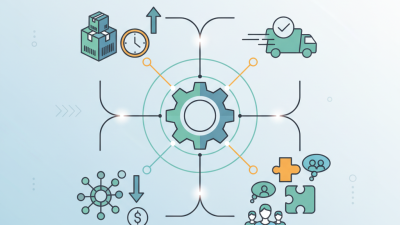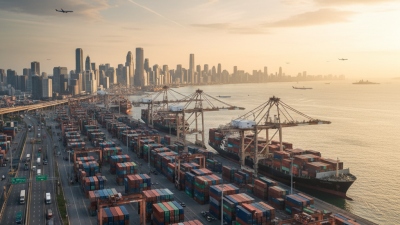
Container transport is at the core of global trade. Efficient transport methods drive profitability. Maximizing efficiency requires a critical look at current practices.
To start, many businesses overlook route optimization. A detailed analysis can reveal hidden costs. Poor route choices lead to delays and increased expenses. Optimization can save time and money.
Another common issue is container utilization. Many shippers do not use their containers fully. This waste impacts overall efficiency. Implementing better loading techniques can change that. Container transport must evolve to meet these challenges head-on. Each step toward efficiency is crucial for success.
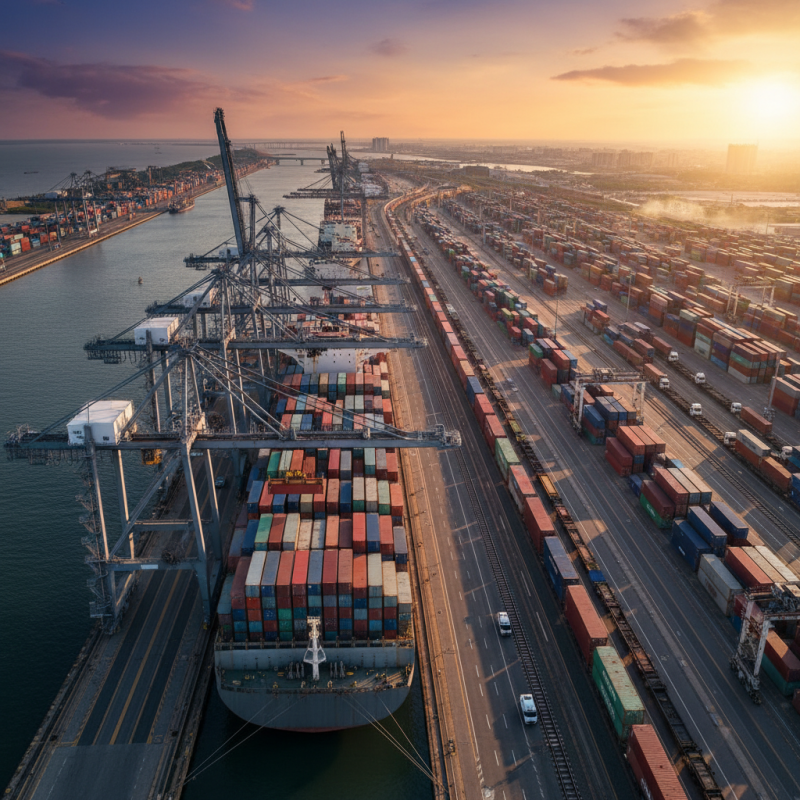
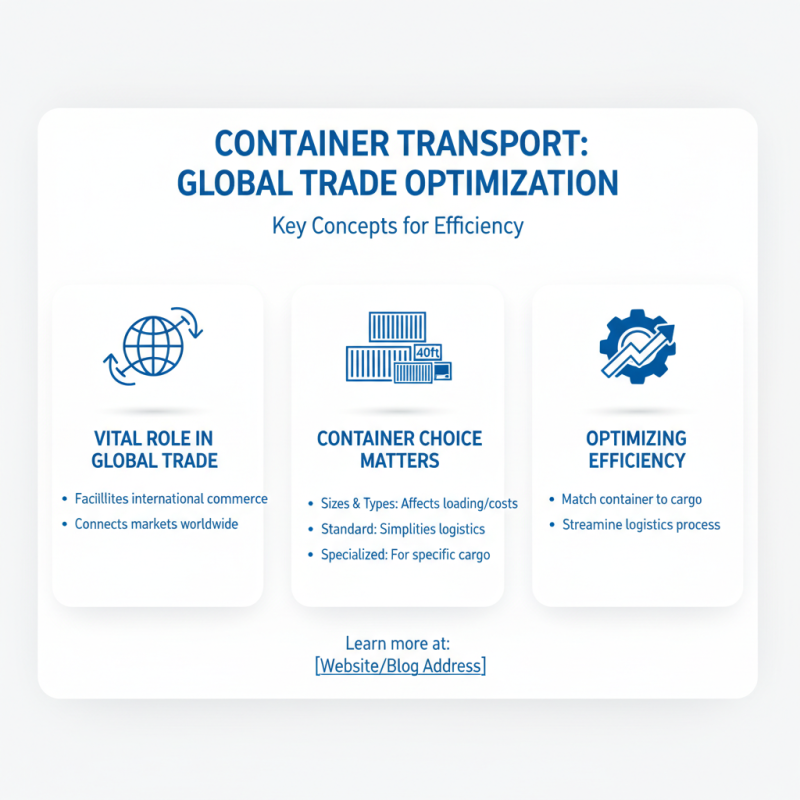
Container transport plays a vital role in global trade. Understanding its key concepts is essential for optimizing efficiency. One important aspect is the choice of containers. Different sizes and types can affect loading times and costs. Utilizing standard containers can simplify logistics but may not suit every cargo type.
Another crucial factor is route planning. Efficient routes save fuel and time. However, relying solely on technology can lead to oversights. Weather changes and traffic patterns often require real-time adjustments. Flexibility in planning is key, yet many companies struggle with this.
Communication is also critical. Clear dialogue between stakeholders leads to better coordination. Misunderstandings can delay shipments and increase expenses. Investing in training for staff can improve communication skills. Yet, some organizations overlook this area. Balancing efficiency with adaptability presents ongoing challenges.
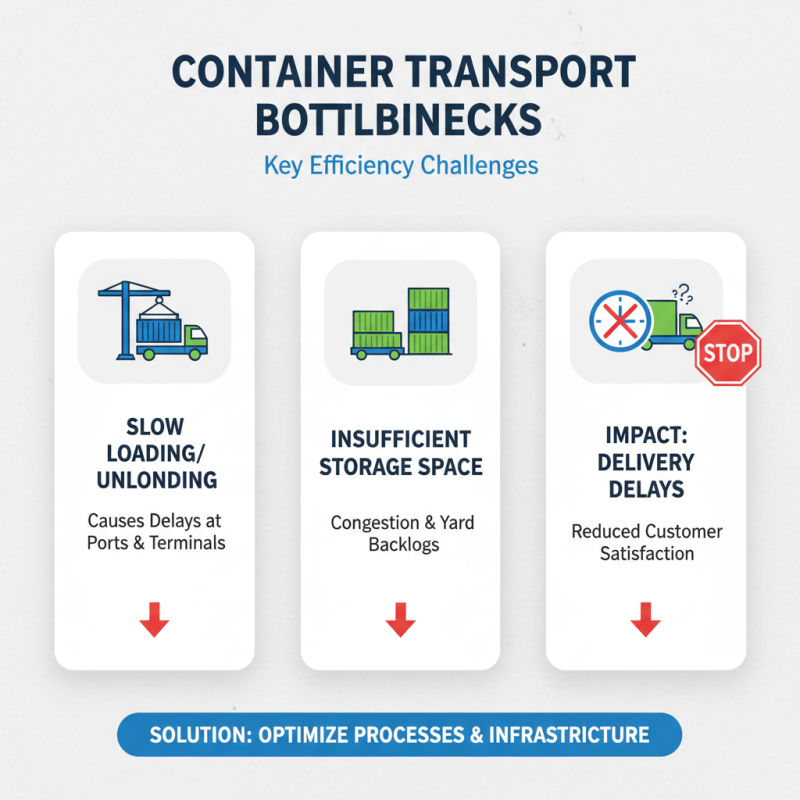
Identifying bottlenecks in container transport operations is crucial for enhancing efficiency. Slow loading and unloading processes often cause delays. Additionally, inadequate space for container storage can create congestion. These inefficiencies directly impact delivery times and customer satisfaction.
Analyzing operational workflows can reveal weaknesses. For instance, communication breakdowns among teams lead to confusion. Poor visibility of containers can also hinder tracking. When delays occur, it is essential to determine their causes. Sometimes, equipment malfunctions or insufficient staff are to blame, which requires immediate attention.
Investing in technology can help streamline operations. Yet, adopting new systems brings its own challenges. Training employees takes time and resources. Resistance to change often arises, as teams prefer established methods. Continuous evaluation and adaptation are necessary to address these issues effectively. Only then can container transport become truly efficient.
Effective load planning is crucial for optimizing container transport. Ensuring maximum available space is utilized can significantly reduce costs. Data analysis plays a key role in understanding weight distribution and volume.
Transport planners should prioritize collaboration with teams. Frequent communication is essential to share insights and ideas.
Route optimization is another critical aspect. GPS technology can enhance routing efficiency. However, unexpected traffic and delays often occur. Adjusting plans in real time is necessary but can be challenging. A good balance between efficiency and flexibility is needed to tackle such issues. Evaluating past routes can reveal inefficiencies and inform better decisions. Understanding regional trends will guide future planning.
Additionally, training personnel is vital. Proper knowledge of tools and software is necessary. Workers must be aware of their impact on overall efficiency. Encouraging a culture of feedback can lead to new ideas. Sometimes, existing methods may seem effective, but they require constant review. Embracing change and innovation leads to improvement.
Real-time tracking is revolutionizing container transport. By using advanced technology, companies can monitor shipments closely. According to the International Maritime Organization, about 10% of goods are lost or damaged during transit. With real-time data, businesses can reduce this loss significantly.
Imagine knowing the exact location of a container at any moment. GPS and IoT devices enable this visibility. Businesses report a 20-30% increase in efficiency when utilizing such technology. However, many companies still lag behind in implementation. They face challenges in integrating new tech with existing systems. This gap highlights a crucial area for improvement.
Data management is another hurdle. Unstructured data can lead to chaos. Companies must develop strategies to handle this complexity effectively. A 2022 report indicated that 43% of logistics firms struggle with data integration. Addressing this issue can lead to streamlined operations. Adopting real-time tracking is a step forward, but it’s not the final solution. Constant adaptation is necessary for sustained success.
| Container ID | Current Location | Destination | Status | Estimated Arrival | Temperature (°C) | Real-Time Updates |
|---|---|---|---|---|---|---|
| C12345 | Shanghai, China | Los Angeles, USA | In Transit | 2023-10-15 14:00 | 25 | Updated every 30 minutes |
| C67890 | Hamburg, Germany | New York, USA | Arrived | 2023-10-12 09:30 | 22 | Updated every 1 hour |
| C54321 | Singapore | Tokyo, Japan | Scheduled | 2023-10-20 16:00 | 20 | Updated daily |
| C98765 | Rotterdam, Netherlands | Miami, USA | In Transit | 2023-10-18 19:00 | 23 | Updated every 15 minutes |
Evaluating the environmental impact of container transport is crucial for sustainable practices. The freight industry emits a significant amount of greenhouse gases. Shipping contributes to air pollution and global warming. Reducing these impacts calls for innovative solutions. Alternative fuels can lower emissions, but they aren't yet widely adopted.
Companies need to rethink supply chains. Implementing more efficient routing can reduce fuel consumption. Many still rely on outdated logistics, missing opportunities for improvement. Real-time tracking can help organizations make better decisions. Using data analytics allows for smarter transport strategies. However, data security concerns can hinder progress.
Investing in greener technologies is essential. Yet, costs can be a barrier for some businesses. Small companies may struggle to afford new equipment. There is a need for financial support in this transition. Collaboration among stakeholders can drive change. Educating industry players about sustainability can foster a collective effort toward reducing the carbon footprint. This approach feels imperfect, reflecting the ongoing challenges in achieving true efficiency and sustainability in transport.