How to Optimize Railway Freight for Efficient Transportation?
In the complex world of logistics, optimizing railway freight is crucial. As noted by Dr. Emily Wong, a renowned expert in the railway freight industry, “Efficiency in railway freight transportation can significantly reduce costs and emissions.” This statement highlights the urgent need for innovation and strategy in optimizing freight operations.
Railway freight systems face many challenges today. Aging infrastructure, fluctuating demand, and environmental concerns all require solutions. Efficient transportation relies on an integrated approach that encompasses modern technology and innovative practices. Addressing these issues involves not just improving existing systems but also rethinking traditional methods.
The need for improvement is evident. Many companies struggle with outdated logistics systems. This often leads to delays and increased costs. To remain competitive, stakeholders must embrace new strategies. Engaging with experts and adopting cutting-edge technology will be key to enhancing efficiency in railway freight operations.
Understanding the Basics of Railway Freight Transportation
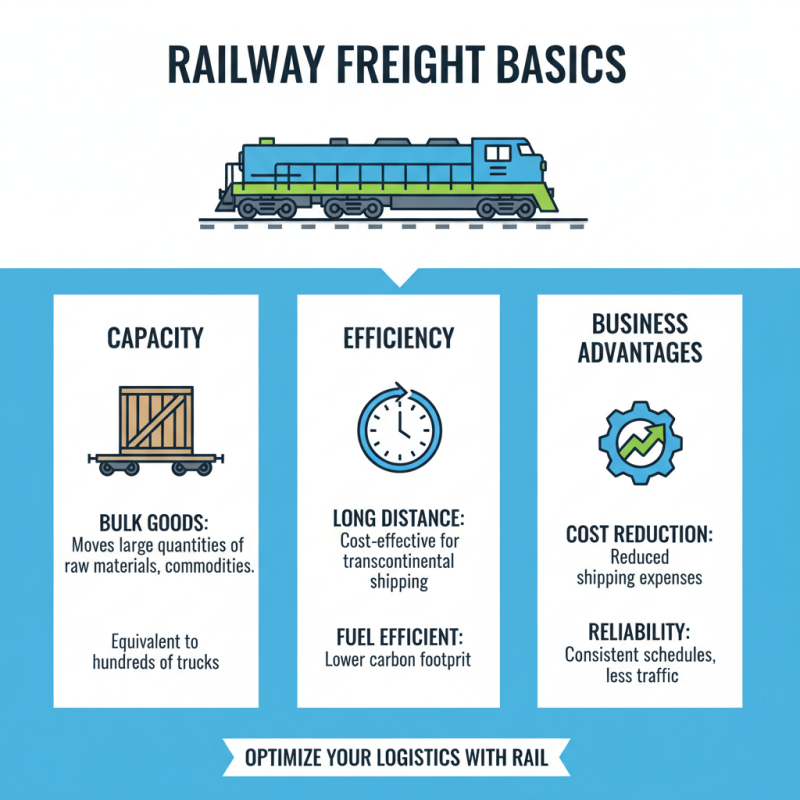
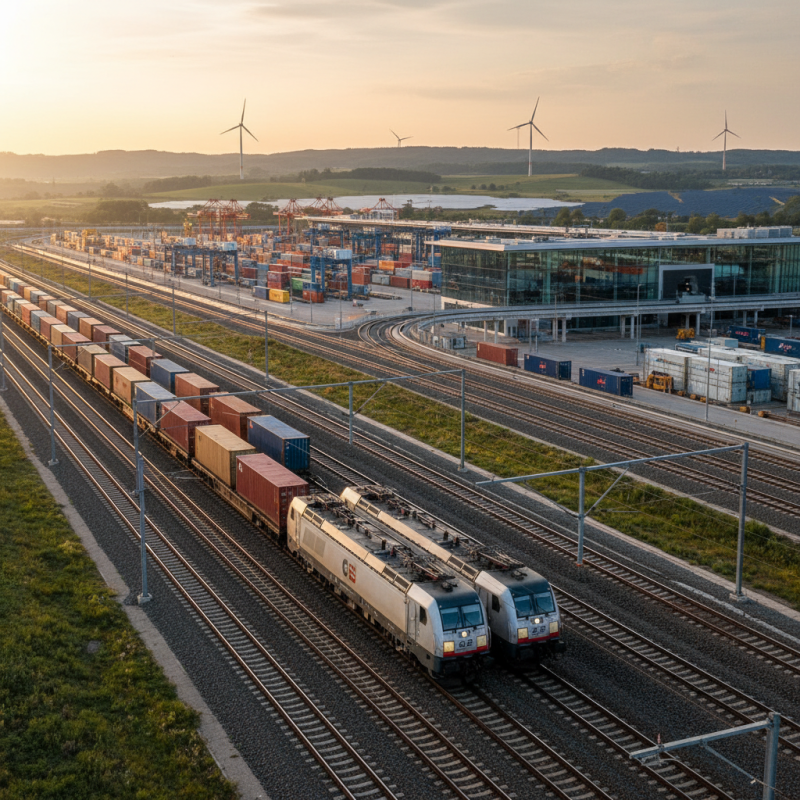
Railway freight transportation plays a crucial role in moving goods efficiently. Understanding its basics can empower businesses to optimize their logistics. Trains can carry large quantities of cargo over long distances. This makes them an attractive option for industries needing to transport bulk materials.
Various factors influence railway freight. For instance, load types matter. Different cargo requires specific handling measures. Some items are fragile while others may be hazardous. This variability requires careful planning and strategy. A mismatch can lead to delays or damages.
Moreover, scheduling is vital. Adhering to timetables is essential. Unexpected delays can disrupt the entire supply chain. However, real-time tracking can mitigate some issues. Shippers should also reflect on route optimization. Shorter routes may reduce costs, but they must also consider capacity and demand. Such reflections can lead to better freight solutions.
Key Factors Influencing Railway Freight Efficiency
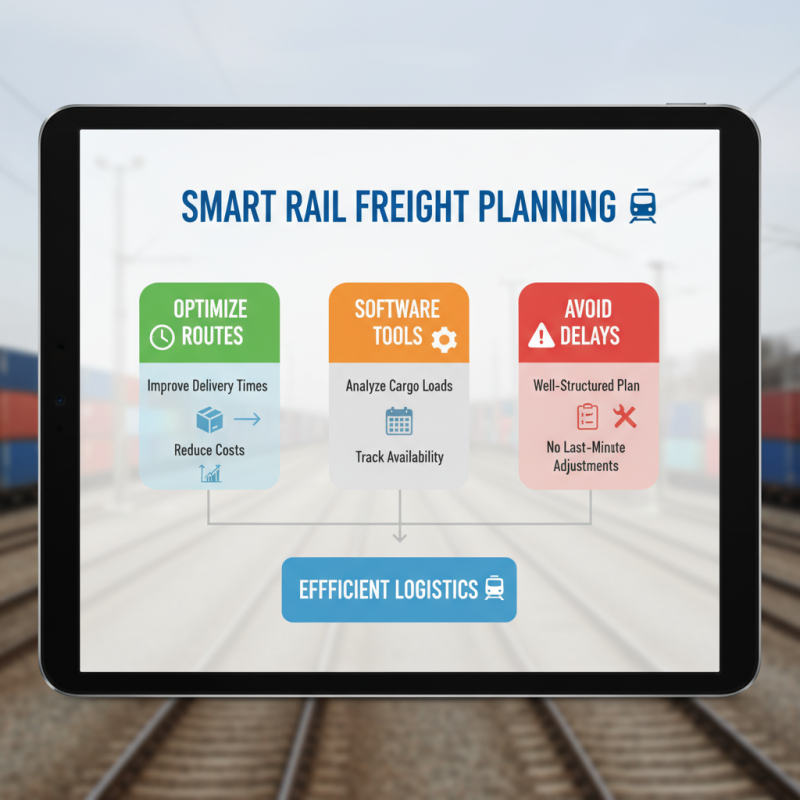
Efficient railway freight relies on several key factors. One major factor is logistics planning. Poor routing can lead to delays and higher costs. A well-optimized route minimizes travel time and reduces fuel consumption. Attention to detail in scheduling can improve overall efficiency.
Tips: Regularly review routes to identify bottlenecks. Collaborate with local authorities to enhance access routes. More communication can help avoid delays on the network.
Another significant aspect is cargo management. Different types of cargo have unique requirements. Ensuring that the right materials are loaded properly can reduce the risk of damage. Inadequate loading can lead to inefficiencies during transit.
Tips: Train staff on proper loading techniques. Invest in suitable containers that cater to specific cargo needs. Regular audits of cargo integrity can minimize loss.
Lastly, maintenance of the rail infrastructure plays a crucial role. Track conditions can directly impact travel speed and safety. Regular inspections can help prevent unexpected breakdowns, which cause costly delays.
Tips: Schedule routine checks on tracks and equipment. Encourage feedback from train crews for continuous improvement. Embrace technology for predictive maintenance to stay ahead.
Strategies for Optimizing Loading and Unloading Processes
Efficient loading and unloading processes are crucial for optimizing railway freight. Streamlining these operations reduces delays and costs. Timely loading minimizes idle train time. This aspect needs careful planning. Scheduling can be tricky due to unpredictable factors. Weather or equipment failure often disrupts plans.
Training staff is essential. Workers should be familiar with equipment and procedures. Regular drills can enhance efficiency. However, not all staff may grasp the importance. Some may overlook safety protocols. This can lead to accidents, causing further setbacks.
Utilizing technology can significantly improve processes. Automated systems help manage cargo effectively. Real-time tracking provides visibility. Yet, reliance on technology can be problematic. Technical failures or maintenance issues may arise. It's important to find a balance between innovation and practicality. Reflecting on past inefficiencies can guide future improvements. Each small enhancement contributes to overall performance.
Utilizing Technology for Enhanced Railway Freight Management
In the realm of railway freight, technology plays a pivotal role. Implementing digital solutions can streamline operations. Real-time tracking systems help monitor freight movement. This reduces delays and improves accountability. Cloud-based platforms enable seamless communication. They connect shippers, carriers, and consignees efficiently.
Tips: Invest in training staff on new technologies. Familiarity with tools enhances performance. Regular updates to systems will keep everything running smoothly. Consider integrating predictive analytics. This can forecast demand and optimize loading schedules.
However, not all tech implementations succeed. Some operators struggle with the transition. Resistance to change can stall progress. It’s crucial to assess the specific needs of the operation before adopting new tools. Balancing technology and human input is vital. Too much reliance on automation can lead to oversight. Aim for a blended approach that cultivates both efficiency and insight.