Top Intermodal Train Stations for Global Trade

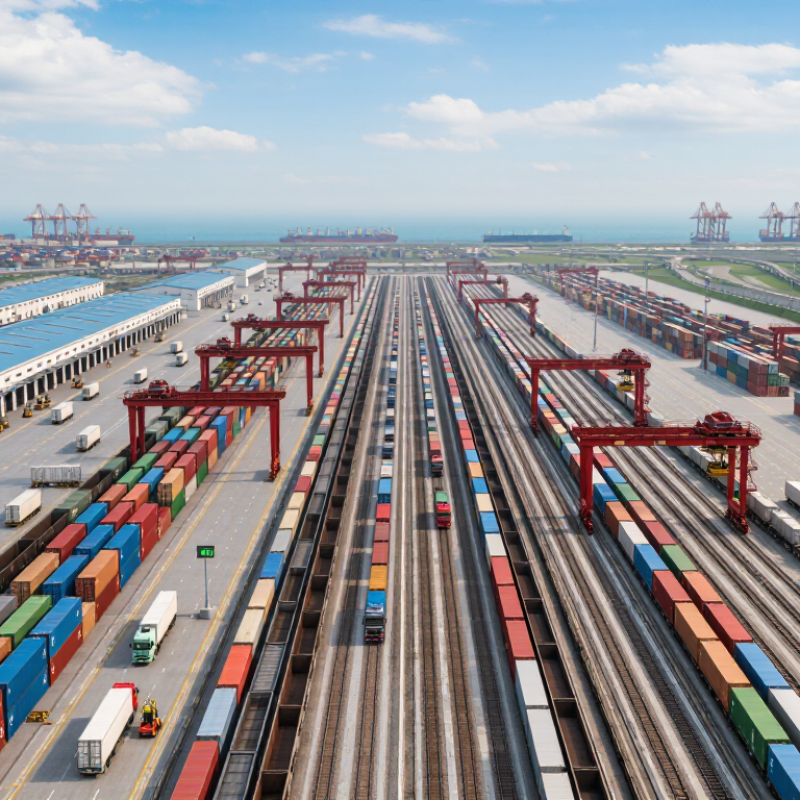
Global trade depends on places where rail, road, ports, and warehouses meet without unnecessary delay. An Intermodal Train Station provides that connection. It moves containers between trains and trucks, often within a tightly managed terminal measured in minutes, meters, and daily throughput.

The most important stations are not always the largest. Their value also depends on reliable schedules, inland access, cargo-handling technology, customs coordination, and connections to major seaports. A modern terminal may use electric cranes, automated gates, refrigerated-container plugs, and digital tracking systems. These details affect whether a shipment waits briefly or sits for several days.

Jean-Pierre Loubinoux, former Director General of the International Union of Railways, has stated, “Rail is the backbone of sustainable transport.” His view reflects the growing role of rail in reducing road congestion and limiting transport emissions. Still, this ranking should not treat sustainability as a simple label. Energy sources, locomotive efficiency, terminal design, and local operating conditions all matter.

The following overview examines leading intermodal stations through practical trade criteria. It considers location, network reach, handling capacity, infrastructure quality, and operational resilience. No ranking is perfect. A station can perform strongly during normal weeks yet struggle during extreme weather, labor shortages, or sudden demand changes. That uncertainty deserves attention. Real-world trade is rarely as smooth as a timetable suggests.

Top Intermodal Train Stations for Global Trade

Definition and Role of Intermodal Train Stations in Global Trade

An intermodal train station is a logistics facility where freight moves between rail and other transport modes. Containers can shift from trains to trucks, inland waterways, or nearby ports. The cargo stays inside the same container. That reduces repeated handling and protects goods from unnecessary exposure.

These stations support global trade by connecting production zones with international gateways. A typical site includes rail tracks, lifting cranes, storage areas, inspection points, and digital tracking systems. Trucks may arrive at a scheduled gate time, while cranes transfer containers within minutes. Rail then carries large volumes over long distances with lower fuel use per unit than many road journeys. This network helps exporters reach distant markets and helps importers receive supplies more predictably.

The model is efficient, but not flawless. A missed rail connection can leave containers waiting overnight. Severe weather, equipment faults, or crowded gates may create further delays. Operational experience shows that accurate schedules matter as much as physical infrastructure. Data can also be incomplete when several transport operators use different systems. That weakness deserves attention. A station may appear modern, yet poor communication can still disrupt a shipment. Clear handover records, trained staff, and realistic arrival windows often determine whether intermodal transport works smoothly.

Core Infrastructure and Operations at Major Intermodal Hubs

Top Intermodal Train Stations for Global Trade

Core Infrastructure and Operations at Major Intermodal Hubs

Major intermodal stations connect rail corridors, highways, inland depots, and maritime terminals. Their value depends on how smoothly these systems exchange containers. A typical hub uses parallel rail tracks, reinforced loading pads, automated cranes, and secure storage blocks. Accurate track geometry matters. Small alignment problems can delay entire train movements.

Operations rely on precise scheduling. Yard controllers assign containers to specific tracks before trains arrive. Optical scanners record container numbers, while weighing systems support safe loading plans. Trucks receive appointment windows, reducing queues near terminal gates. Customs and inspection areas also require careful coordination with rail operators and freight owners. One missing document can hold a container longer than the train journey itself.

Reliable hubs measure dwell time, crane productivity, gate processing, and train punctuality. These figures reveal problems that busy yards can hide. Weather creates another pressure. Heavy rain can slow cranes, flood access roads, or damage stored cargo. Backup power and alternative routing reduce exposure, but they do not remove it.

No station is perfectly synchronized. In practice, operators still depend on radio calls, manual checks, and experienced judgment. That human layer can prevent mistakes, yet it also creates inconsistency. Better training, shared data standards, and regular infrastructure inspections often produce more value than adding equipment alone.

Leading Intermodal Train Stations Across Key Trade Regions

Top Intermodal Train Stations for Global Trade

Leading intermodal train stations connect ports, factories, inland cities, and border corridors. Their value depends on more than rail access. Reliable cranes, customs coordination, storage space, and digital tracking also shape daily performance.

In Western Europe, terminals around Rotterdam, Duisburg, and Antwerp support dense freight networks. They transfer containers between ships, trains, barges, and trucks. Duisburg benefits from strong links toward Central and Eastern Europe. In North America, Chicago remains a major inland interchange. Its rail yards connect coastal gateways with agricultural and manufacturing regions. Delays can spread quickly there. In East Asia, large terminals near Shanghai, Busan, and inland Chinese production centers manage heavy export flows. Shorter transfer times matter greatly.

Central Asian stations provide another strategic example. Terminals near Almaty and the Caspian corridor help move cargo between different rail systems. Gauge changes can require extra handling. That step increases costs and weakens schedule certainty. Southeast Asian hubs near Kuala Lumpur and Bangkok support regional manufacturing routes, although road congestion may slow final delivery.

Experienced logistics teams measure dwell time, train frequency, equipment balance, and border clearance. They also inspect weather exposure and worker safety. A terminal may look efficient on paper, yet perform poorly during peak seasons. No ranking stays permanent. Infrastructure improves, trade routes shift, and small operating weaknesses can become expensive. Reliable planning still needs local verification.

Top Intermodal Train Stations for Global Trade

Leading intermodal train stations across key trade regions, measured by estimated annual intermodal train movements in 2023.

The comparison highlights major inland rail hubs linking ports, manufacturing regions and continental trade corridors. Figures are rounded public estimates based on reported rail-terminal activity and corridor operations in 2023.

Cargo Flows, Connectivity, and Economic Importance

Top Intermodal Train Stations for Global Trade

Cargo flows reveal why major intermodal stations matter. They connect seaports, inland terminals, factories, and distribution centers within one network. A container may arrive by ship, transfer to rail, and reach a warehouse within hours. That movement depends on synchronized schedules, reliable cranes, and accurate tracking data.

Connectivity creates economic value. Stations near deep-water ports often reduce road congestion and shorten inland delivery times. Rail links also serve agricultural regions, manufacturing zones, and remote markets. In busy terminals, automated gates can process trucks quickly, while large yards hold containers during demand peaks. However, capacity is not unlimited. A single signal failure or labor shortage can delay thousands of shipments.

Economic importance appears beyond freight volume. Efficient stations support logistics jobs, maintenance services, customs administration, and regional investment. Public transport agencies and terminal operators should measure dwell time, transfer accuracy, emissions, and network resilience. Cargo totals alone can mislead.

The details matter.

A station may handle impressive volumes but still create bottlenecks outside its gates. Local roads, bridge limits, and storage shortages often weaken the entire corridor. Weather creates another uncertainty. Better planning requires shared data, regular infrastructure reviews, and honest reporting of missed targets. No terminal performs perfectly. That is worth remembering.

Top Intermodal Train Stations for Global Trade - Cargo Flows, Connectivity, and Economic Importance

Intermodal Hub Country / Region Rail Gauge Main Trade Corridors Typical Cargo Flows Connectivity Profile Cargo Scale Economic Importance
Duisburg Inland Rail-Port Hub Germany
Western Europe
1,435 mm standard gauge Rhine–Alpine; North Sea–Baltic; Eurasian rail links Containers, machinery, chemicals, metals, consumer goods and automotive components Direct links to inland waterways, European freight rail corridors and major western seaports Very high A major inland consolidation and distribution point for European and Asia–Europe trade.
Rotterdam Rail-Port Gateway Netherlands
Northwestern Europe
1,435 mm standard gauge Rhine–Alpine; North Sea–Baltic; European hinterland routes Containerized imports and exports, chemicals, mineral products, foodstuffs and project cargo Dense rail, inland-waterway and short-sea connections across the Rhine basin and continental Europe Very high Supports one of Europe’s largest maritime gateways and a broad manufacturing hinterland.
Bettembourg–Dudelange Freight Terminal Luxembourg
Western Europe
1,435 mm standard gauge North Sea–Mediterranean; Atlantic and Rhine–Alpine routes Semi-trailers, containers, retail goods, industrial inputs and temperature-sensitive cargo Cross-border rail-road transfers connecting Benelux, France, Germany, Italy and Spain High Important for shifting long-distance road freight to rail and serving Luxembourg’s logistics economy.
Madrid Abroñigal Freight Hub Spain
Iberian Peninsula
1,668 mm Iberian gauge with standard-gauge interfaces Atlantic and Mediterranean corridors; Iberian domestic routes Consumer products, food and beverages, automotive goods, machinery and containerized imports Central position within Spain’s rail network with connections to ports, industrial regions and inland distribution centers High Provides a major inland gateway for the Madrid metropolitan market and national distribution system.
Vienna Central Freight Gateway Austria
Central Europe
1,435 mm standard gauge Rhine–Danube; Baltic–Adriatic; Eastern European corridors Machinery, automotive components, food products, steel, chemicals and consumer containers Links the Danube region with Germany, Italy, Central Europe and southeastern European markets High Acts as a strategic distribution point between western European production centers and eastern markets.
Łódź Intermodal Rail Hub Poland
Central and Eastern Europe
1,435 mm standard gauge North Sea–Baltic; China–Europe rail services; Baltic port routes Electronics, machinery, automotive parts, retail merchandise and consolidated containers Central Polish location with access to major highways, Baltic ports and east–west rail corridors High Supports Poland’s role as a European logistics platform and a bridge between Asian and EU supply chains.
Almaty Rail Freight Hub Kazakhstan
Central Asia
1,520 mm broad gauge China–Central Asia–Europe; Trans-Caspian and regional routes Machinery, electronics, agricultural products, metals, chemicals and consumer goods Connects Central Asian production and consumption centers with Chinese and transcontinental rail networks High Strengthens Kazakhstan’s position as a land-linked transit economy between China, Europe and Central Asia.
Khorgos Rail Transshipment Gateway Kazakhstan–China Border
Central Asia
1,435 mm / 1,520 mm gauge interface China–Europe; China–Central Asia; Trans-Caspian routes Containerized manufactured goods, machinery, electronics, textiles and agricultural products Gauge-change and cargo-transfer facilities enable movement between Chinese and former Soviet rail systems High A critical land bridge for Eurasian trade, reducing border delays through specialized transshipment operations.
Chicago Rail Gateway United States
North America
1,435 mm standard gauge Transcontinental North American routes; Great Lakes and Gulf connections International containers, agricultural exports, automobiles, coal, chemicals and consumer products The largest rail interchange area in North America, connecting western ports, eastern markets and inland distribution centers Very high A principal national freight junction with major effects on inventory positioning, transit times and manufacturing supply chains.
Kansas City Intermodal Hub United States
Central North America
1,435 mm standard gauge East–West transcontinental routes; Mexico–United States–Canada corridors Consumer goods, agricultural products, automotive components, food products and industrial materials Central location with direct rail and highway access to all major regions of the United States and Mexico Very high Supports large-scale inland distribution and cross-border supply chains across the North American market.
Los Angeles–Long Beach Rail Gateway United States
Pacific Coast
1,435 mm standard gauge Trans-Pacific trade; Southwest and transcontinental North American routes Imported consumer goods, electronics, furniture, apparel, machinery and agricultural exports Direct rail access from the largest container gateway on the United States Pacific coast to inland markets Very high A major entry point for Asian imports and a key driver of logistics, warehousing and distribution activity in Southern California.
Toronto Intermodal Freight Hub Canada
Great Lakes Region
1,435 mm standard gauge Canada–United States Great Lakes corridor; Atlantic and Pacific connections Consumer goods, food products, automobiles, forest products, metals and industrial inputs Serves the largest Canadian metropolitan market and connects eastern seaports with inland North American networks High Central to Canadian retail, manufacturing and cross-border trade with the United States.
Malmö–Southern Sweden Rail Gateway Sweden
Scandinavia
1,435 mm standard gauge Scandinavia–Mediterranean; Baltic–Adriatic; Denmark–Sweden–Germany routes Retail containers, food, forest products, machinery, vehicles and temperature-controlled cargo Combines rail, road and short-sea services through the Øresund and southern Scandinavian transport network High Improves access between Nordic economies and continental European markets while supporting lower-emission freight transport.
Note: Cargo-scale ratings are qualitative comparisons based on gateway throughput, hinterland reach, rail connectivity and strategic trade relevance. Gauge information refers to the principal freight interface; facilities with different national gauges may require transshipment or gauge-compatible equipment.

Challenges and Future Developments in Intermodal Rail Transport

Top Intermodal Train Stations for Global Trade

Challenges and Future Developments in Intermodal Rail Transport

Major intermodal stations connect ocean terminals, inland warehouses, and national rail networks. Their value depends on more than track capacity. A delayed customs release can leave containers waiting beside cranes for hours. The delays are visible. Yard congestion raises storage costs and disrupts delivery schedules. Different rail gauges, braking standards, and data systems also complicate cross-border movement. Operational reviews often show that the weakest connection controls the entire route.

Weather creates another practical challenge. Heavy rain can flood access roads, while extreme heat can affect rails and electrical equipment. Stations need backup power, stronger drainage, and flexible routing plans. Digital documents may reduce manual checks, but poor data quality can create new errors. Human judgment still matters. Security controls must protect cargo information without slowing legitimate trade. Many development plans underestimate staff training and maintenance budgets.

Future stations will likely use automated cranes, predictive maintenance, and low-emission locomotives. Sensors could identify damaged wheels before a train reaches a busy junction. Electrification may reduce local pollution, although construction costs remain substantial. Shared digital platforms can improve visibility from port to inland terminal. However, technology alone will not solve fragmented regulations. Rail operators, customs authorities, and terminal managers need common standards and reliable communication. Forecasts often promise seamless freight flows; real networks remain less predictable, and that gap deserves honest measurement.