Top Pallet Transport Solutions for Efficient Logistics and Supply Chain Management?
Pallet transport plays a critical role in logistics and supply chain management. Effective pallet transport solutions can enhance efficiency and reduce costs. Companies must continually evaluate their methods to stay competitive.
In a world driven by fast-paced delivery demands, the right pallet transport strategy can make a significant difference. For example, using standardized pallets streamlines loading and unloading processes. Yet, many businesses still overlook this crucial aspect. They face challenges such as inventory mismanagement and delays.
Adopting innovative pallet transport solutions is essential for success. Solutions like automated pallet handling systems can minimize human error. Nevertheless, organizations must also reflect on their specific needs. Not every solution fits all. Therefore, careful consideration and adaptation are necessary for improvement.
Top Trends in Pallet Transport Solutions for Logistics Efficiency
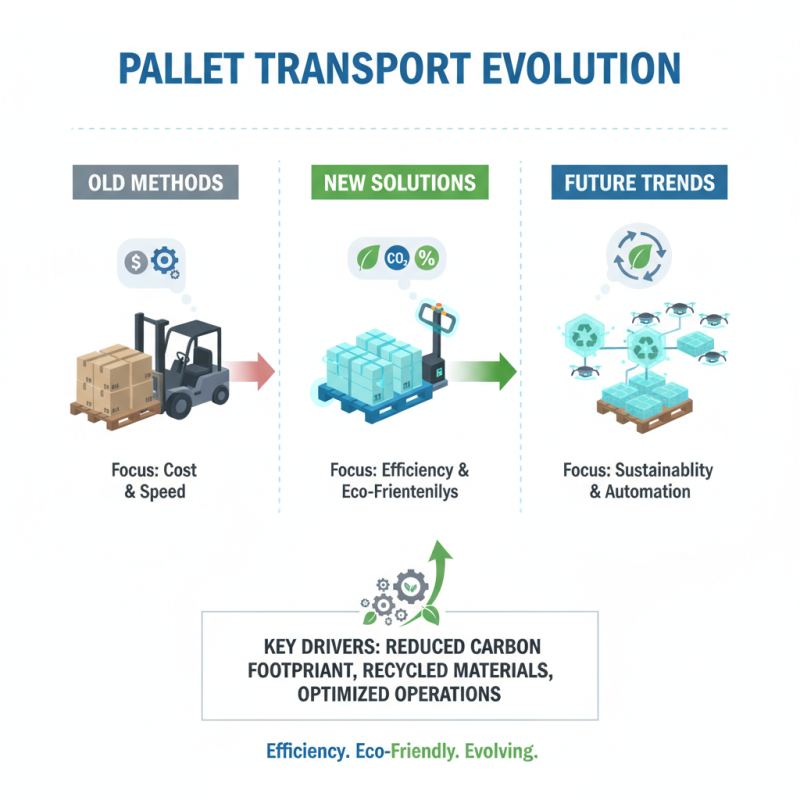
Pallet transport solutions are evolving rapidly. Efficiency is the key focus. Companies now prioritize eco-friendly materials. They seek to reduce carbon footprints while enhancing operations. The use of recycled materials is on the rise. Daily transport practices increasingly adopt solutions that align with sustainability goals.
Technology plays a crucial role in improving pallet transport. Real-time tracking systems allow firms to monitor shipments closely. This visibility helps reduce delays. Nevertheless, some companies struggle with implementation. While the technology is available, not everyone uses it effectively. Training and adaptation remain challenges for many.
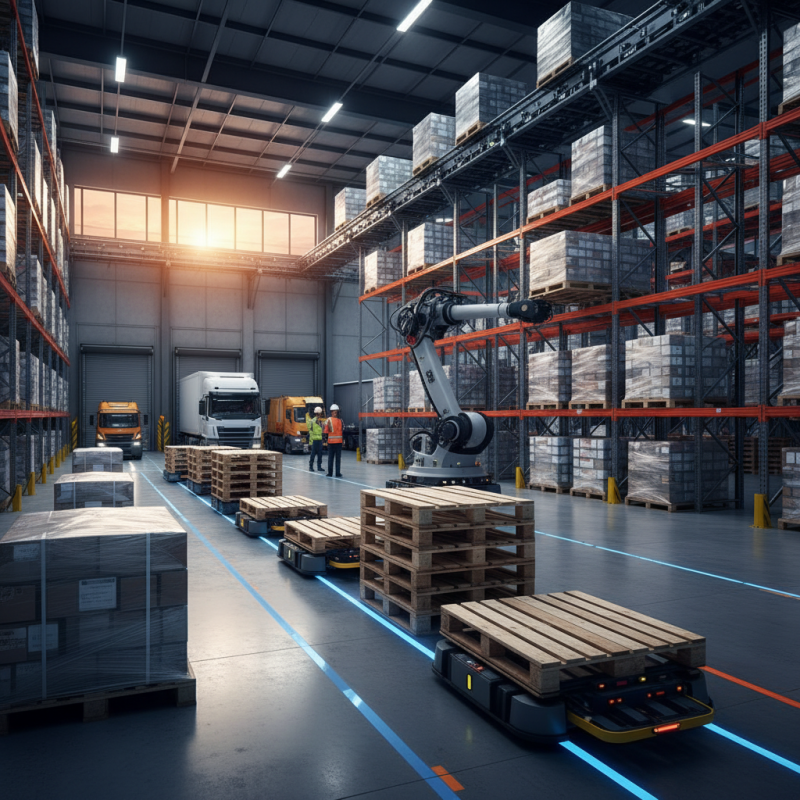
Automation is another trend shaping the logistics landscape. Automated pallet handling can minimize labor costs. It speeds up processes and reduces errors in handling. However, the upfront costs can be daunting. Small businesses might hesitate to invest in this technology. They need to weigh the benefits against initial outlays. The balance between innovation and practicality is often difficult to strike.
Impact of Technology on Pallet Transport and Supply Chain Management
The impact of technology on pallet transport and supply chain management is significant. Automation has transformed logistics. According to a Logistics Management report, 61% of companies utilize some form of automation in their operations. This includes robotic palletizers and automated guided vehicles, which enhance speed and precision. Yet, there are challenges. Not all businesses can afford this technology. Smaller companies may struggle with costs and implementation.
Data analytics is another game-changer. With real-time tracking, companies can optimize routes and manage inventory better. A study from Gartner states that 79% of supply chain professionals see value in data visibility. However, not every organization leverages this information effectively. Many still rely on outdated systems, missing opportunities to improve efficiency.
Moreover, the rise of e-commerce adds pressure. As demand increases, supply chains must adapt quickly. A report from McKinsey highlights that 58% of consumers expect same-day delivery. Companies without advanced logistics systems may falter. Technology clearly offers benefits, but readiness and adaptability remain key hurdles for many.
Top Pallet Transport Solutions for Efficient Logistics and Supply Chain Management
| Transport Solution |
Technology Used |
Efficiency Improvement (%) |
Impact on Supply Chain |
| Automated Guided Vehicles (AGVs) |
Robotics, AI |
30% |
Reduces manual labor, increases speed |
| Cloud-based Inventory Management |
Cloud computing, IoT |
25% |
Improves real-time tracking and forecasting |
| Pallet Tracking Systems |
RFID, GPS |
40% |
Enhances visibility and reduces losses |
| Fleet Management Software |
Telematics, Big Data |
20% |
Optimizes routing and load management |
| Collaborative Robotics |
Cobot Technology |
35% |
Enhances labor efficiency and reduces injury |
Sustainable Practices in Pallet Transport: A Growing Industry Necessity
Sustainable practices in pallet transport are becoming increasingly vital for modern logistics. Companies now face pressure to adopt eco-friendly methods. Traditional pallets, often made of wood, can be harmful to forests. The production process can also generate significant emissions. Shifting to reusable and recyclable materials offers a viable alternative.
The industry is slowly recognizing the benefits of sustainable options. However, many businesses still hesitate to invest in greener practices. Cost concerns and lack of awareness hinder progress. While some companies are making strides, others lag behind. Visibility into supply chain impacts can drive necessary changes. Understanding the environmental footprint is essential for informed decisions.
Innovative practices such as using lightweight materials or optimizing transportation routes can help reduce carbon footprints. Education and collaboration among stakeholders are crucial. It’s a complex issue. Many need to rethink standards and practices. Embracing sustainability in pallet transport can lead to long-term gains for both the planet and profitability.
Top Pallet Transport Solutions for Efficient Logistics
This bar chart illustrates the efficiency ratings of various pallet transport solutions based on innovative and sustainable practices in logistics and supply chain management.
The Role of Automation in Optimizing Pallet Transport Operations
Automation plays a crucial role in optimizing pallet transport operations. According to recent industry reports, nearly 65% of logistics companies are increasingly adopting automated solutions. These systems help to streamline operations, reduce manual labor, and improve accuracy. Automated guided vehicles (AGVs) and palletizing robots can significantly enhance handling efficiency.
Implementing automation is not without challenges. Many businesses face high initial costs and a steep learning curve. A study shows that 30% of companies experience integration difficulties with existing systems. Skilled labor is often required to monitor and maintain these automated solutions. This can lead to concerns about workforce displacement.
Nonetheless, the benefits often outweigh the drawbacks. Efficient automated systems can reduce transport times by up to 30%. Automated inventory management systems also provide real-time data, allowing companies to make informed decisions. This localized intelligence is essential for dynamic supply chain adjustments. As companies strive for efficiency, the focus must remain on balancing automation with human insight.