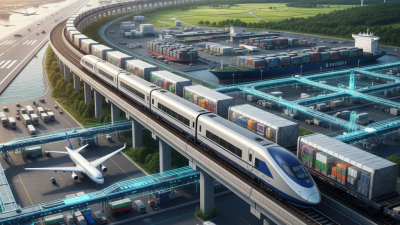
An Intermodal Train Station is more than a platform beside a bus stop. It is a transfer point where rail connects with services such as local transit, buses, airports, cycling, or passenger drop-off. In 2026, the strongest station designs will make those changes simple, legible, and reliable, even when crowds, weather, or delays complicate a journey.
The scale of public transport makes that work consequential. The American Public Transportation Association’s 2024 Public Transportation Fact Book reports 7.7 billion U.S. transit trips in 2023, up from 7.1 billion in 2022. That matters. But ridership totals do not show whether a transfer feels easy. A passenger crossing a crowded concourse with a suitcase may judge a station differently from a commuter changing platforms in minutes.
This overview compares key station types: urban rail and bus hubs, commuter and regional stations, high-speed rail interchanges, airport rail links, and freight intermodal terminals. Each serves a different movement pattern. Airport stations need clear luggage routes; city hubs need frequent connections and accessible paths; freight terminals depend on coordinated rail and truck access. The categories are useful, not universal—some stations combine several roles. Not every interchange works. We will assess how connections, wayfinding, accessibility, capacity, and surrounding land use shape performance, while noting where available data cannot capture everyday experience. That distinction matters when comparing station designs.
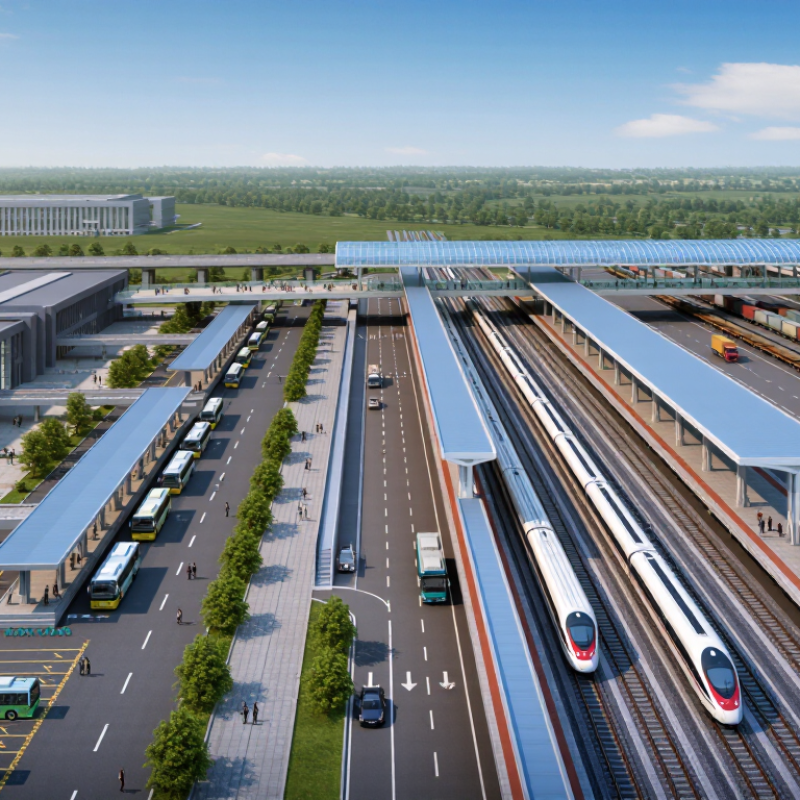
An intermodal train station is a place where rail passengers or freight can transfer between transport modes. Its defining feature is the connection itself, not simply the number of platforms. A passenger might leave a train and reach a bus bay, metro platform, or airport shuttle. Clear signs and short, step-free paths make that transfer more practical. Details matter.
Stations can be classified by the modes they connect, the area they serve, and their main role. An urban interchange links rail with buses, metro lines, cycling access, or nearby streets. A regional hub connects local trains with longer-distance services. An airport-linked station provides rail access to terminals, while a freight terminal transfers containers between trains and trucks. These categories can overlap.
A useful classification also considers passenger volume, walking distance, accessibility, and timetable coordination. A 400-metre walk between platforms can make a connection difficult, even when every mode appears on the map. Labels are not universal; agencies may describe similar facilities differently. That can be confusing. When comparing stations in 2026, describe the actual connections and transfer conditions, not just the category name.
In 2026, major urban and commuter rail hubs will remain central to intermodal travel. A useful distinction is their role: rapid-transit interchanges connect frequent city services, while commuter rail stations link outer neighborhoods with employment centers. Shared hubs bring both systems together, often beside buses, bicycle parking, and pedestrian routes. The American Public Transportation Association’s 2023 ridership report recorded about 7.1 billion U.S. public transit trips across all modes. That total is not a rail-only figure, but it shows the scale of demand that well-connected stations must serve.
A strong hub makes transfers legible. Clear platform signs, step-free paths, sheltered waiting areas, and reliable real-time updates can matter as much as a grand concourse. Small details matter. A five-minute walk between platforms can feel much longer when it involves stairs, crowds, or poor signage. The Federal Transit Administration’s National Transit Database tracks heavy rail and commuter rail separately, reflecting their different operating patterns and service needs. That distinction is useful when comparing station types, though statistics alone cannot reveal how confusing a transfer feels at rush hour. I would not assume that every large station works well; some remain difficult to navigate, and that is worth measuring.
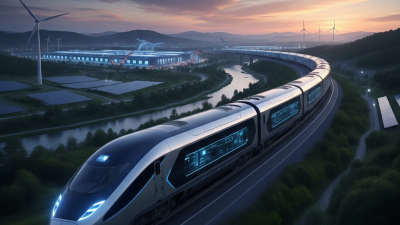
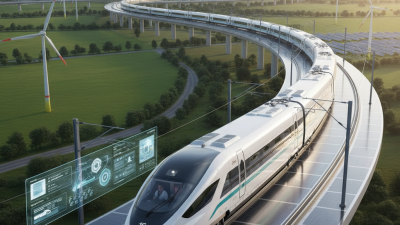
Regional and high-speed rail interchange stations connect local journeys with longer trips. In 2026, their value depends on more than placing platforms nearby. A transfer should feel legible, even during a crowded morning. Clear signs, visible departure boards, and short walking routes reduce uncertainty. Small details matter. A regional train arriving on a lower level can create a difficult climb if lifts are far from the high-speed platforms.
Good interchange design considers real passenger movement. Planners study walking times, train dwell periods, and the space people need with luggage or mobility aids. A covered connection helps in bad weather. So does a clear, step-free route. Timetables should allow a practical transfer, not merely a technically possible one. Delays can still happen, of course. Reliable service information and staff who can explain alternatives help passengers respond without guessing.
The best station layouts balance speed with comfort. Separate flows may prevent arriving and departing crowds from blocking narrow corridors, while seating near transfer routes gives passengers a place to pause. Yet designers can overvalue fast movement and overlook moments of hesitation. A sign that seems obvious on a plan may be hard to spot from a busy platform. Testing routes with different passengers can reveal those flaws, though no design removes every uncertainty. Interchanges work best when local access and long-distance travel feel connected, not like separate systems under one roof.
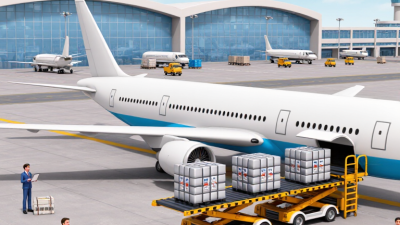
Airport-linked intermodal stations connect rail services with airport terminals, buses, taxis, and local transit. Their value is not just proximity. A clear, sheltered route can make a tight connection feel manageable, especially when travelers carry bags or move with children. Signs should show walking times, platform changes, and accessible routes before passengers reach a confusing junction.
Multimodal passenger terminals work best when transfers feel like one continuous trip. A traveler arriving by train should be able to find the airport check-in area without crossing busy vehicle lanes. Live departure boards, visible staff, elevators near key routes, and enough space for luggage all help. Small details matter. A missing sign can undo an otherwise efficient layout.
Designers also need to plan for disruption. Delayed trains, crowded platforms, and late-night service gaps can expose weaknesses that a polished terminal hides. Not every station can place every service under one roof, and long walking distances may remain. That trade-off deserves honest attention. Clear alternatives and realistic transfer times are more useful than optimistic estimates.
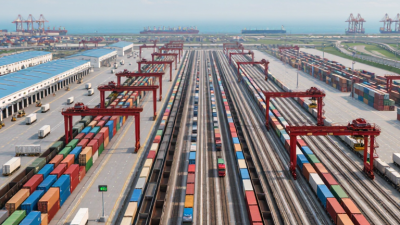
Freight intermodal terminals connect rail, road, and often seaports by transferring containers between transport modes. Port-rail terminals move boxes from ships toward inland markets; inland hubs consolidate freight closer to warehouses. Truck-to-rail ramps serve locations without direct port access. Each type solves a different bottleneck. The work is visible: cranes lift containers, hostlers move them across paved yards, and trains depart in scheduled blocks.
The Association of American Railroads’ 2024 Freight Rail Facts & Figures reports that U.S. railroads moved 12.8 million intermodal units in 2023. That scale makes terminal speed and coordination consequential, but volume alone does not prove efficiency. A delayed train, crowded storage lanes, or poor truck access can shift congestion rather than remove it. No terminal is perfect. Planners should compare dwell time, transfer capacity, and connections to nearby freight corridors before choosing a site.
Tips: Check whether the terminal handles containers, trailers, or both. Ask how appointments, operating hours, and peak-period queues are managed. A short truck approach can still mean a long wait. Measure the full trip, not just the rail distance.
| Terminal Type | Typical Freight Unit | Main Connections | Distinct Role | Typical Handling Equipment | Best Suited For | Operational Distinction |
|---|---|---|---|---|---|---|
| Inland rail–truck intermodal terminal | Containers and, at some facilities, truck trailers | Long-haul rail services and local or regional trucking | Transfers freight between trains and trucks away from a seaport, serving inland markets and distribution networks. | Rail-mounted gantry cranes, rubber-tyred gantry cranes, reach stackers, and container chassis | Long-distance domestic or international container movements with road delivery at either end | Rail provides the line-haul movement; trucks usually handle terminal access and final delivery. |
| Seaport rail intermodal terminal | Marine containers | Ocean-going vessel services, port operations, rail, and road | Moves containers between ships and inland rail networks, reducing the need to truck every container out of the port. | Ship-to-shore cranes for vessel handling, plus yard cranes or other container-handling equipment for rail transfers | Import and export freight moving between a maritime gateway and inland destinations | Its rail operation is integrated with port processes, including vessel schedules, container yards, and customs or inspection procedures where applicable. |
| Rail–rail transload or interchange terminal | Containers, trailers, or other intermodal units transferred between rail services | Two or more rail routes, operators, networks, or service patterns | Connects rail movements that cannot continue directly on the same service or route. | Intermodal cranes or mobile lifting equipment; track and yard layouts vary by facility | Freight requiring a change of rail route, service, or network | The key transfer is between rail movements; road haulage may be limited to local access or repositioning. |
| Rail–truck trailer-on-flatcar ramp | Road trailers carried on rail flatcars | Highway carriers and freight rail services | Transfers eligible trailers from road to rail and back, combining rail line-haul with truck pickup and delivery. | Ramps or specialized loading tracks; some facilities also use lifting equipment for compatible trailers | Trailer movements on corridors where the equipment and operating system support this form of intermodal service | Unlike container-only terminals, it handles trailers as complete road units; not every trailer is suitable for rail carriage. |
| Inland port or logistics-park terminal | Containers and other unitized freight | Rail, road, and nearby warehousing or distribution facilities | Combines an inland rail terminal with logistics activities such as storage, distribution, and freight processing. | Container cranes or stackers, loading areas, storage yards, and warehouse equipment | Regional distribution, consolidation, and freight flows serving multiple inland destinations | Its role extends beyond transfer: adjacent logistics services can help stage, store, or redistribute freight. |
| Short-line or regional rail intermodal terminal | Containers, trailers, or other intermodal units, depending on the facility | Local or regional rail lines, connecting mainline rail services, and trucks | Provides intermodal access for regional markets and freight origins or destinations not directly served by major terminals. | Equipment ranges from mobile handlers to cranes, depending on traffic and terminal design | Smaller-volume regional flows and connections between local freight areas and wider rail networks | Facility scale and service patterns vary; some terminals depend on connections with other rail services for longer-distance movement. |
Note: Terminal categories can overlap. Equipment, services, and cargo accepted vary by site, rail network, and operating requirements.